Installing blinds gives you control over light and privacy, lowers energy use, and protects furniture from sun damage. Blinds can cut heating and cooling bills, reduce glare, and make rooms more comfortable. Many styles also boost resale appeal. Pick styles and features that suit each room and your routine.
Key Statistics
- Window treatments can reduce heating and cooling costs by 10 to 25 percent on average.
- Blackout-style blinds can block up to 90 to 95 percent of visible light.
- Motorized or smart blinds reduce manual adjustments and can improve energy efficiency by an additional 5 percent when automated schedules are used.
In this article, Floorlands.ae explains the most useful benefits of blinds, what to expect from different types, and simple data and tips to make a good purchase.
Energy Savings and Lower Utility Bills
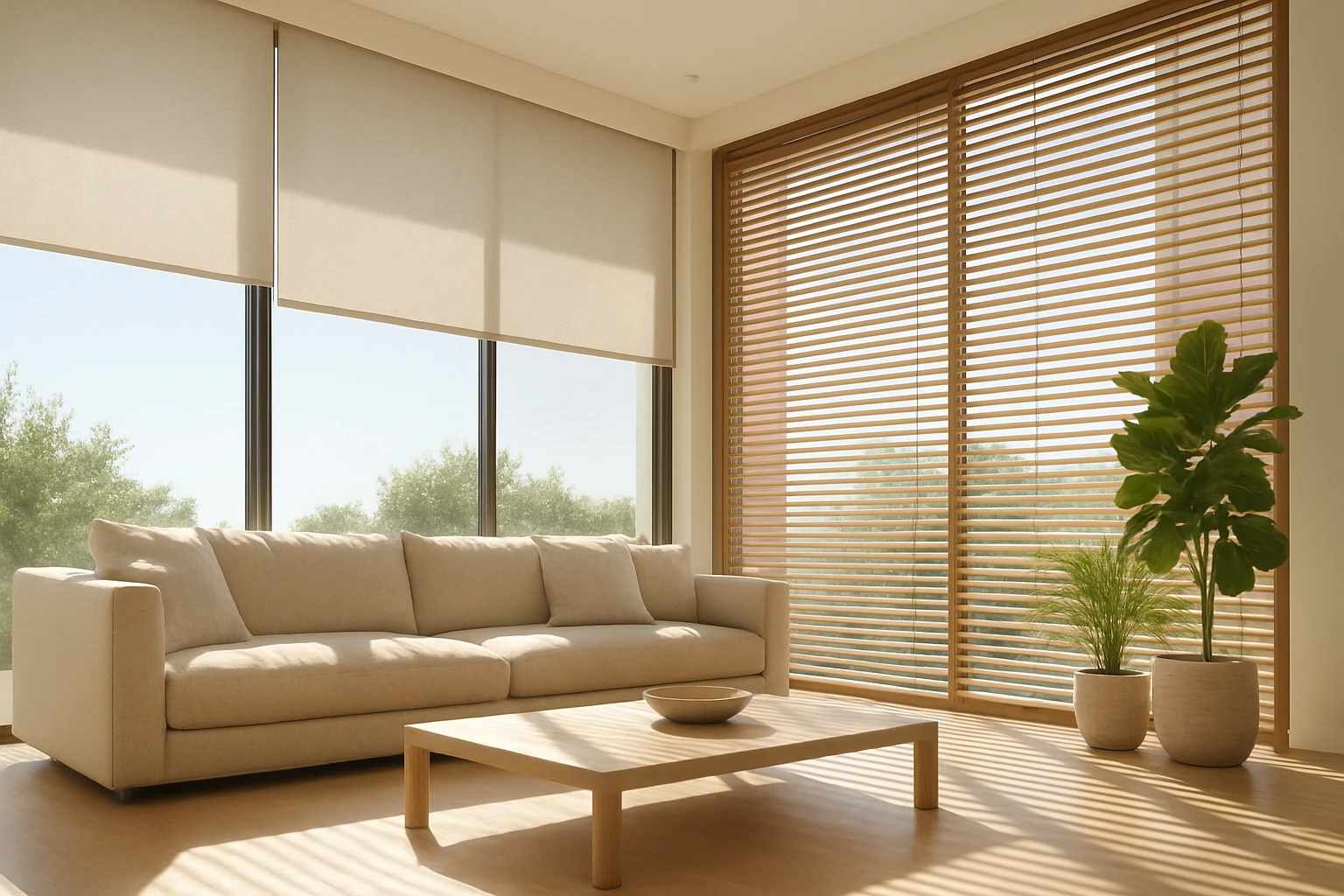
Installing blinds helps reduce heat gain in summer and heat loss in winter, which lowers energy use and monthly bills. When blinds are closed at peak sun hours they reduce the need for air conditioning, and in cooler months a closed blind adds a thin layer of insulation that slows heat loss.
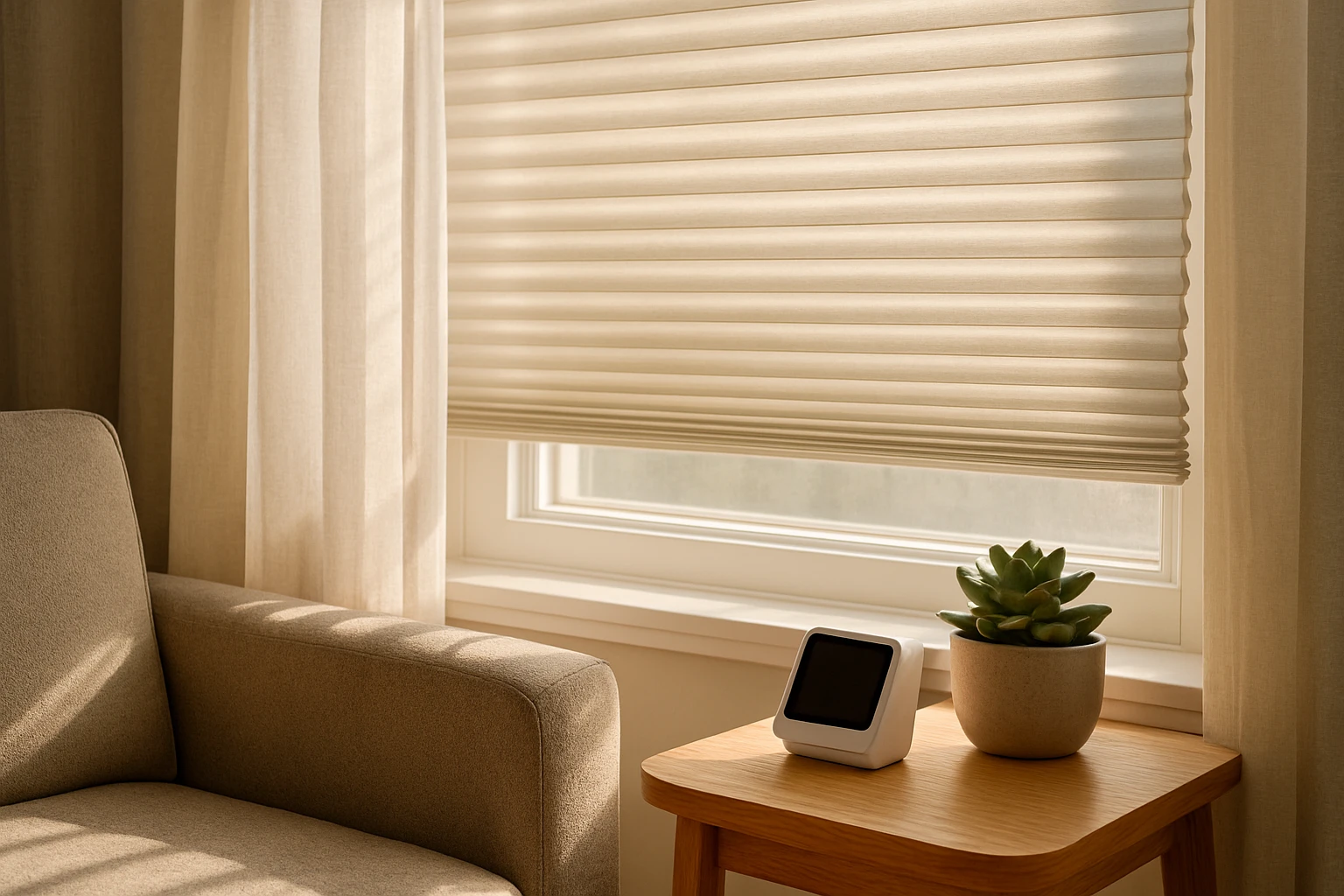
How Blinds Save Energy
Blinds cut direct sunlight and stop heat from passing through glass. Light-colored blinds reflect heat, and insulated or cellular designs trap air to slow heat flow.
Typical Energy Saving Examples:
- Close light-blocking blinds during peak sun and set AC a degree or two higher to save energy.
- Use automated schedules so blinds adjust with daily sun angles.
Better Light Control and Glare Reduction
Blinds let you control how much daylight enters a room, which reduces glare on screens and works better than curtains when you need staged light levels. Many blinds offer adjustable slats or levels of fabric opacity so you can fine-tune the balance between view and light.

Best Settings for Different Needs
- For watching TV, use blackout or fully closed blinds.
- For reading and working, tilt slats to diffuse light without blocking views.
Improved Privacy and Security
Blinds give quick, reliable privacy. Slatted and opaque styles let you block sightlines while still allowing filtered daylight. That makes them useful on ground-floor rooms and in busy urban areas where privacy matters.
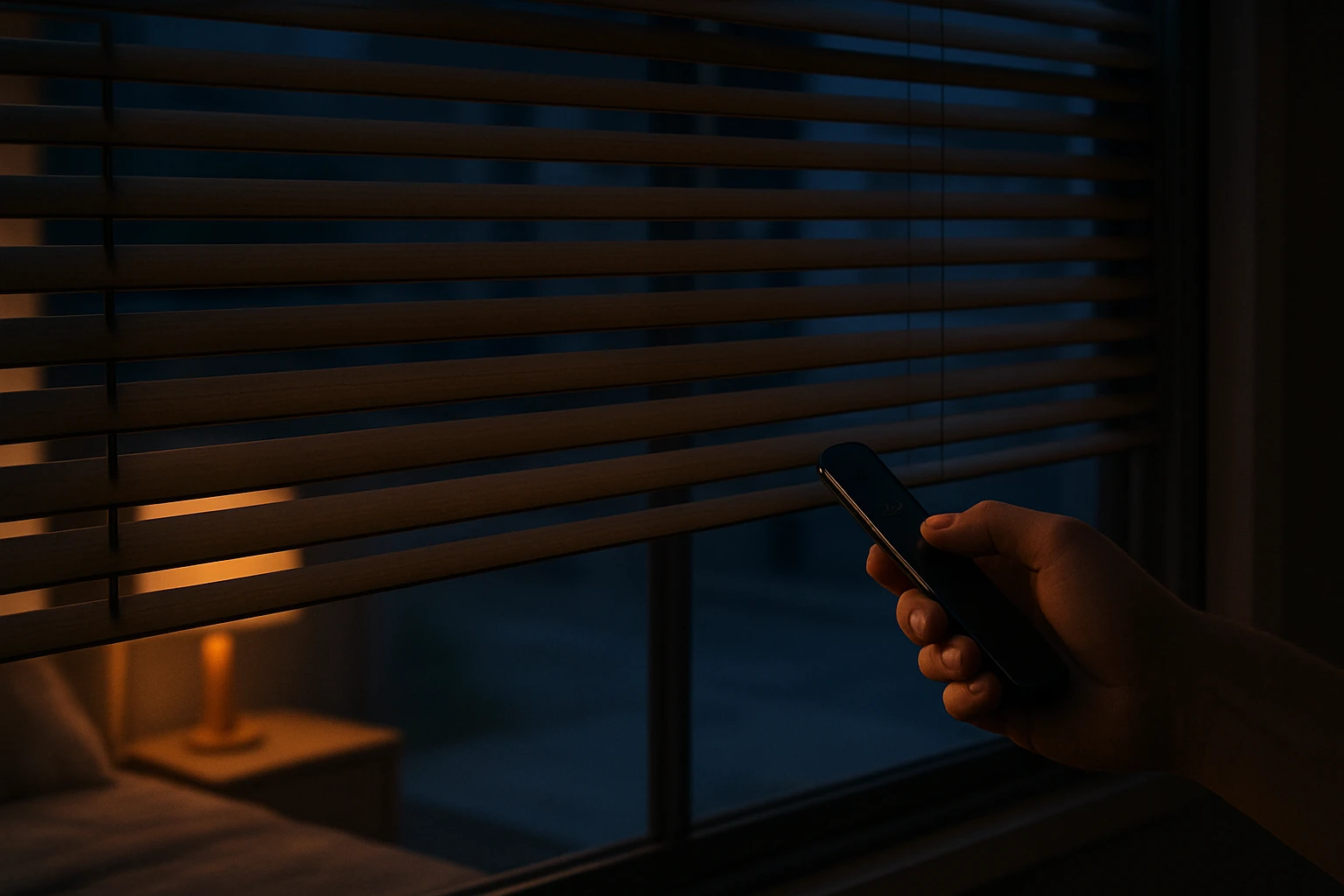
Privacy Tips
Quick Adjustments:
- For fast privacy, use cord-free or motorized blinds so you can change settings without reaching a window.
- Combine sheer and blackout layers if you want daytime light with nighttime privacy.
Protection from UV Damage
Sunlight fades fabrics, wood floors, and art over time, and UV rays cause much of this damage. Blinds that block or filter UV light help preserve furniture and flooring and save on replacement or restoration costs.

How Much Protection to Expect
- Blackout and tightly woven roller blinds block most UV and visible light.
- Light-filtering fabrics reduce UV while keeping a bright room.
Enhanced Thermal Insulation and Comfort
Certain blind types add measurable insulation. Cellular or honeycomb blinds trap air in pockets and act like a light layer of insulation, which keeps rooms more comfortable and reduces temperature swings.
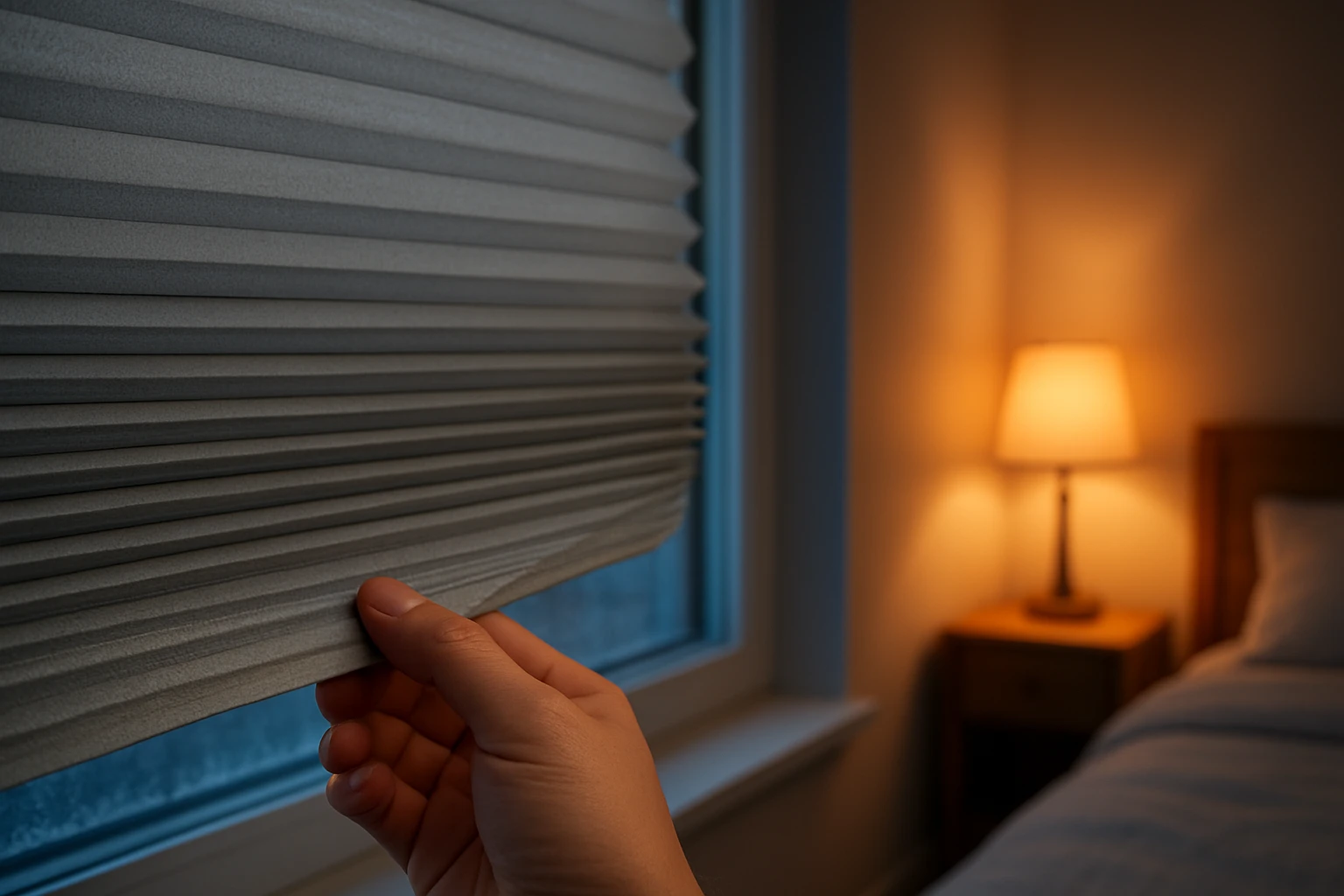
When Insulation Matters Most
- Bedrooms and living rooms facing direct sun gain the most comfort benefit.
- Combine insulated blinds with weatherstripping for older windows.
Noise Reduction and Quieter Rooms
Blinds with thicker fabrics or layered designs soften outside noise slightly by absorbing high-frequency sound. They will not fully soundproof a room, but they do make spaces feel quieter and less echo-prone.

Managing Expectations
- Heavy fabric or layered blinds help more than thin slatted styles.
- For major noise issues combine blinds with rugs and soft furnishings.
Style and Room Appearance Improvements
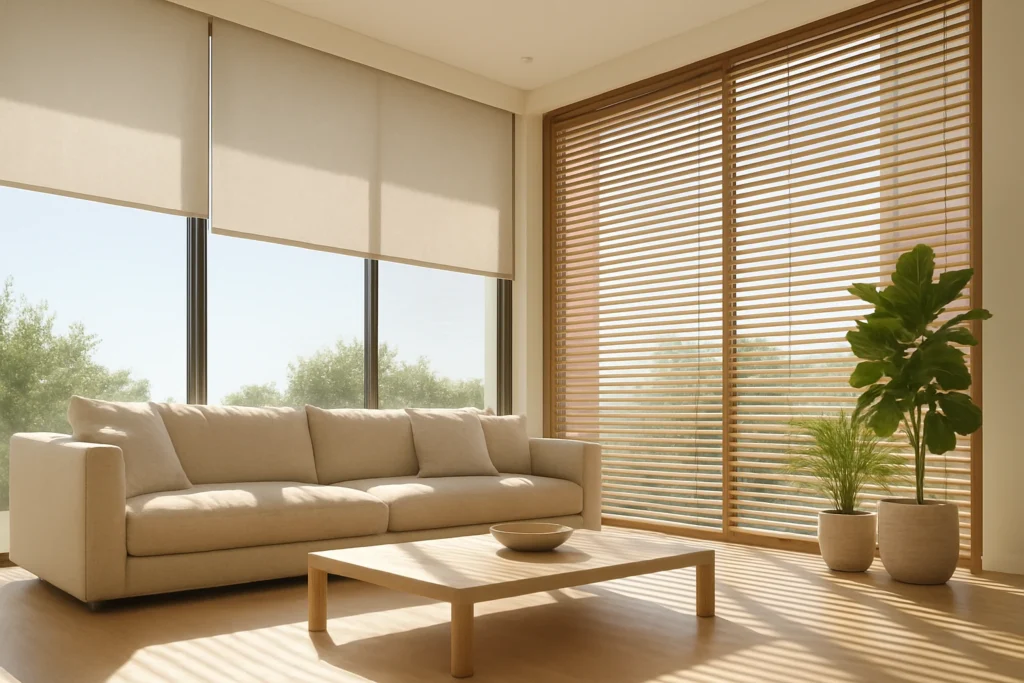
Blinds come in many textures and finishes so they can match any decor, from minimal modern to classic. They provide a clean, tailored look and take up less visual space than bulky drapes, which helps rooms feel brighter and larger.
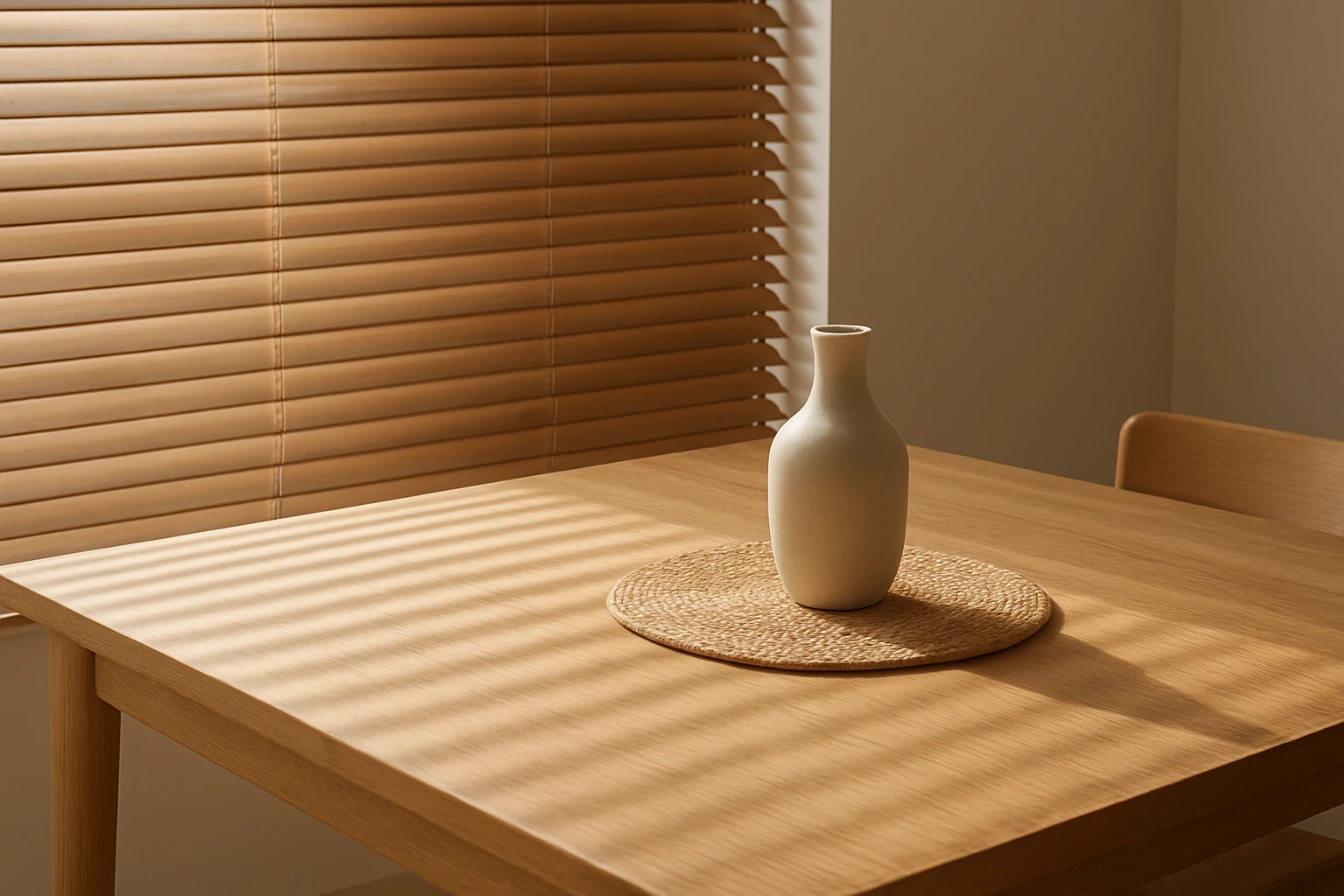
Matching Blinds to Decor
Quick Design Choices:
- Use natural wood or bamboo blinds for warm, textured rooms.
- Use neutral roller or panel blinds to keep a modern, minimal look.
Increased Home Value and Market Appeal
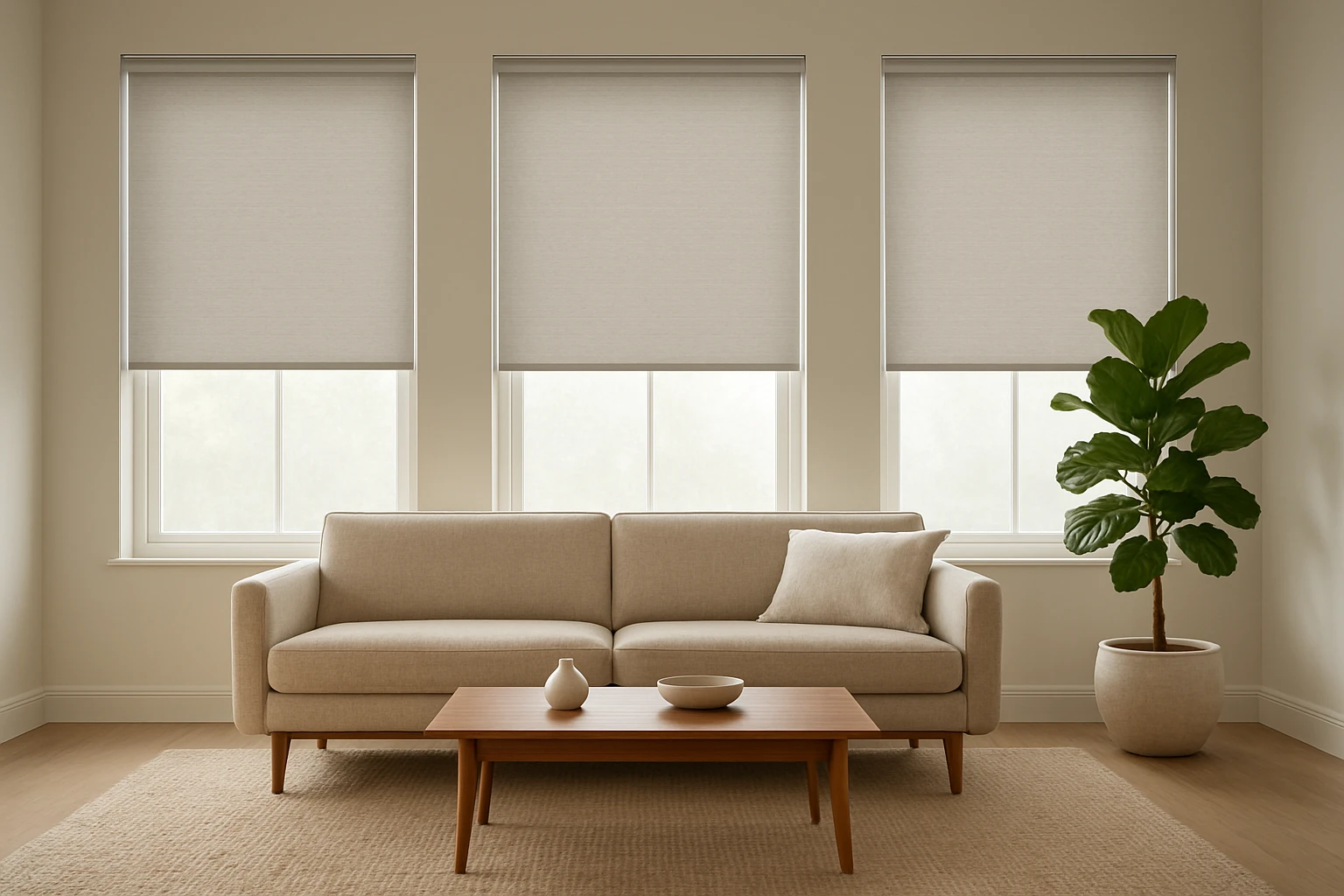
Well-chosen blinds increase perceived value because they are a practical, visible upgrade. Buyers often note attractive window treatments as a plus, especially when they are matched to each room and in good condition.
Payback and Resale Notes
- Blinds that are well maintained and match the home style give the strongest appeal.
- Motorized or blackout features can be selling points for certain buyers.
Safer Options for Families and Motorized Convenience
Modern blinds include child-safe designs and motorized options that remove cords and reduce hazards. Motorized blinds also let you control schedules, which is useful for consistent energy savings and convenience.

Safety and Automation Choices
Child Safety Checklist:
- Choose cordless or motorized systems for rooms used by young children.
- Check that motorized units meet safety and electrical standards and have manual override.
Easy Care, Durability and Long Lifespan
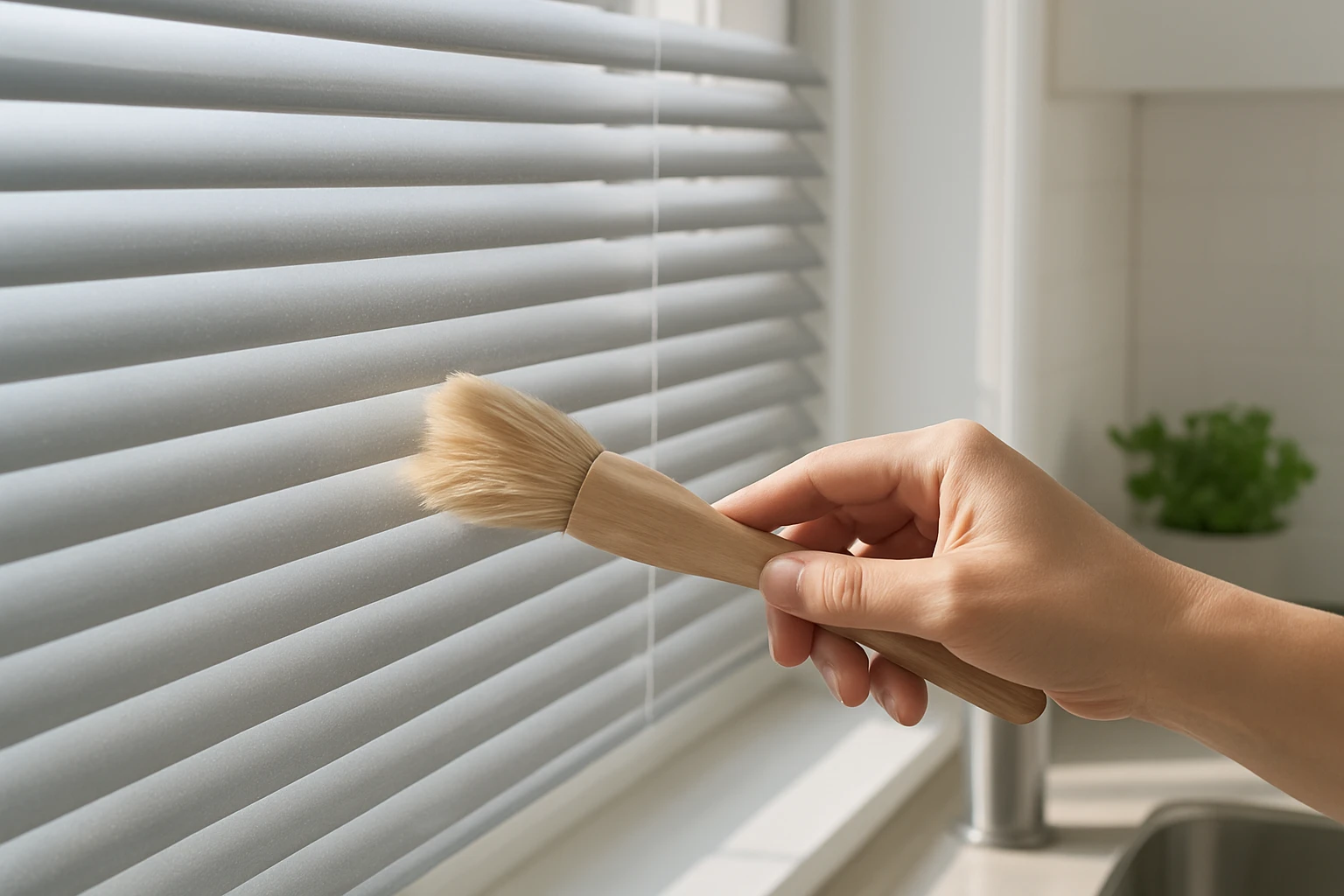
Most blinds are easy to clean with a quick dusting or light vacuuming and need replacement far less often than fabrics or some window film options. Materials like aluminum, treated wood, and synthetic fabrics resist moisture and fading.
Cleaning Tips
- Dust regularly and spot-clean with a damp cloth for tougher grime.
- Avoid harsh chemicals on wood or specialty fabrics.
Types of Blinds and Which Benefit They Offer
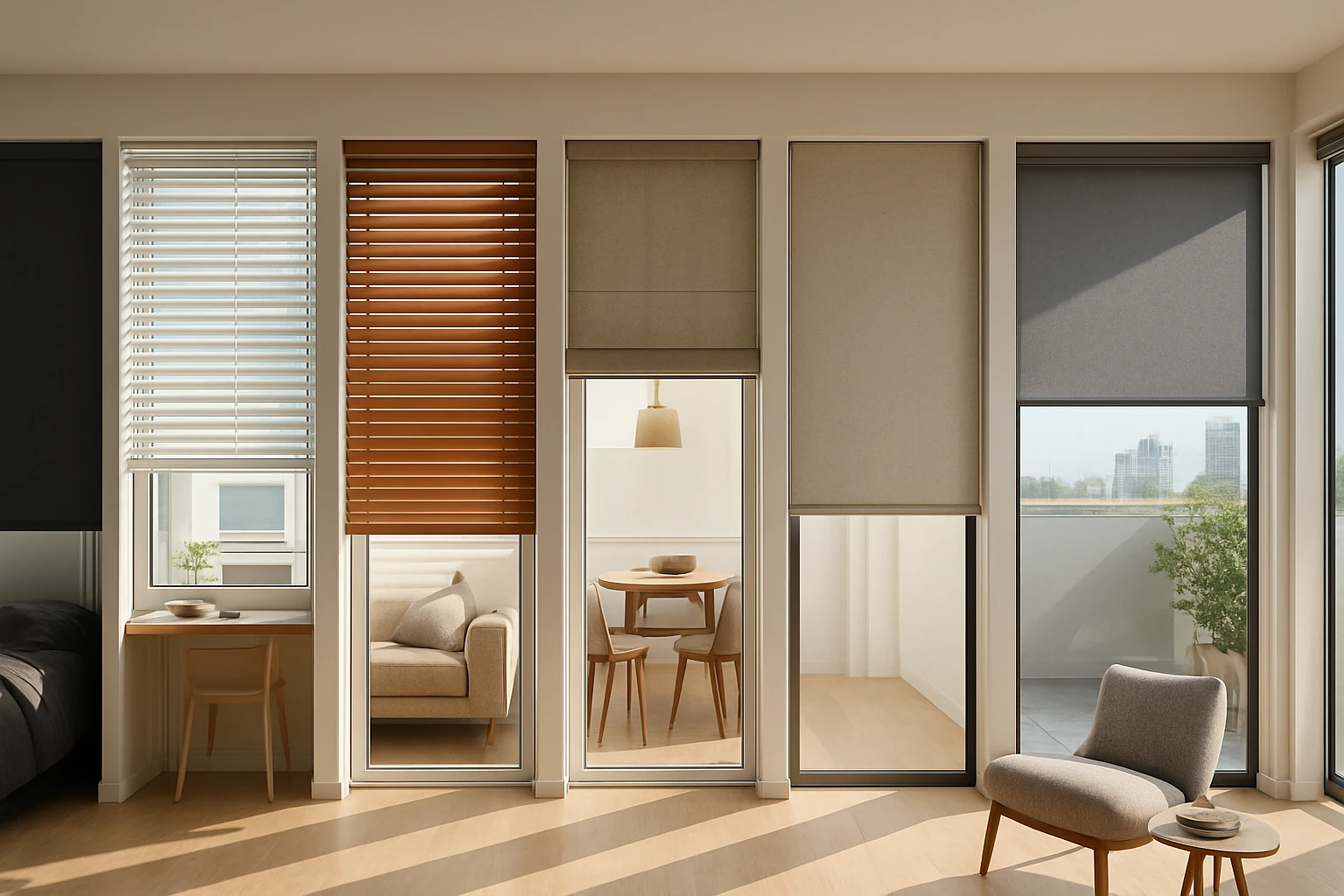
Different blind types give different mixes of the benefits above. Pick types by the most important benefit you want, such as insulation, light blocking, or style.
Quick Type Guide with Links
- Roller Blinds: simple, good for blackout or light-filtering Roller Blinds.
- Roman Blinds: soft fabric folds with a formal look Roman Blinds.
- Venetian Blinds: adjustable slats for precise light control Venetian Blinds.
- Wooden Blinds: warm, high-end look and moderate insulation Wooden Blinds.
- Aluminium Blinds: durable and easy to clean Aluminium Blinds.
- Vertical Blinds: good for large sliding doors and offices Vertical Blinds.
- Panel Blinds: modern wide panels for large windows or room dividers Panel Blinds.
- Zebra Blinds: alternating sheer and opaque strips for flexible light control Zebra Blinds.
- Bamboo Blinds: natural texture, eco-friendly look Bamboo Blinds.
- Outdoor Blinds: weather-rated shade for patios and balconies Outdoor Blinds and see the Outdoor Blinds Dubai (2026 Guide) for more details.
- Blackout Blinds: best for bedrooms with strong light blocking Blackout Blinds.
- Motorized Blinds: convenience and automation options Motorized Blinds.
When to Choose Each Type
Room Recommendations:
- Bedrooms: blackout roller or cellular blinds for sleep.
- Living rooms: wooden or Venetian for style and light control.
- Kitchens and bathrooms: aluminium or synthetic roller blinds for moisture resistance.
- Balconies and patios: outdoor blinds for shade and weather protection.
Cost, ROI and Practical Numbers
Buying blinds varies by type and size, but the investment can pay back through energy savings and reduced fading of furniture. Below is a practical estimate table that shows typical ranges and simple payback math.

| Blind Type | Typical Cost Per Window (AED) | Estimated Annual Energy Savings (AED) | Rough Payback Years |
|---|---|---|---|
| Roller (basic) | 250 – 600 | 60 – 150 | 2.5 – 6 |
| Cellular | 450 – 900 | 80 – 220 | 2 – 6 |
| Wooden | 700 – 1,500 | 50 – 130 | 5 – 15 |
| Aluminium | 200 – 500 | 40 – 120 | 2 – 8 |
| Blackout Roller | 300 – 700 | 70 – 160 | 2 – 7 |
| Motorized Upgrade | +400 – 1,200 | 20 – 80 (convenience value) | varies |
Notes: Estimates vary by window size, orientation, local climate, and usage patterns. South- and west-facing windows show the fastest payback because they receive the most direct sun.
Installation, Maintenance and Best Practices
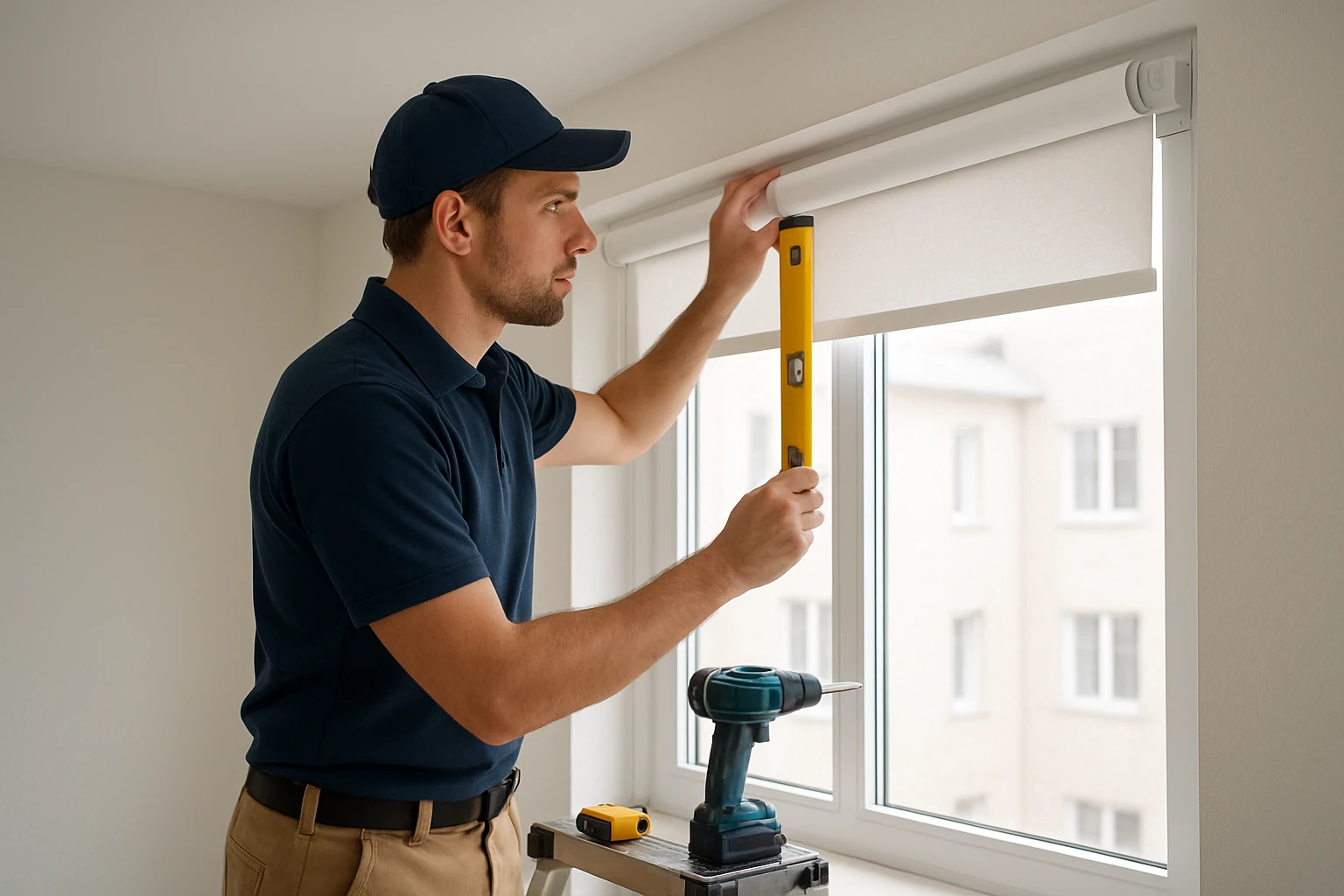
Good installation affects performance. A poorly fitted blind leaves gaps that reduce privacy and insulation. Measure precisely, or choose professional fitting for large or unusual windows.
DIY Versus Professional Installation
Decision Checklist:
- Small standard windows: DIY is usually fine with careful measuring.
- Large, high, or irregular windows: hire a pro for a clean result.
- Motorized systems: professional installation is recommended for safety and warranty reasons and consider the Motorized Blinds options when planning electrical placement.
Care Schedule
- Weekly light dusting and monthly spot-cleaning for fabric blinds.
- Annual deep clean for heavily used blinds and regular checks of mechanisms.
Choosing the Right Blind for Each Room
Pick the single most important benefit for that room and choose the blind type that delivers it. For example, choose blackout or cellular blinds for bedrooms, and choose durable, moisture-resistant blinds for kitchens and baths.
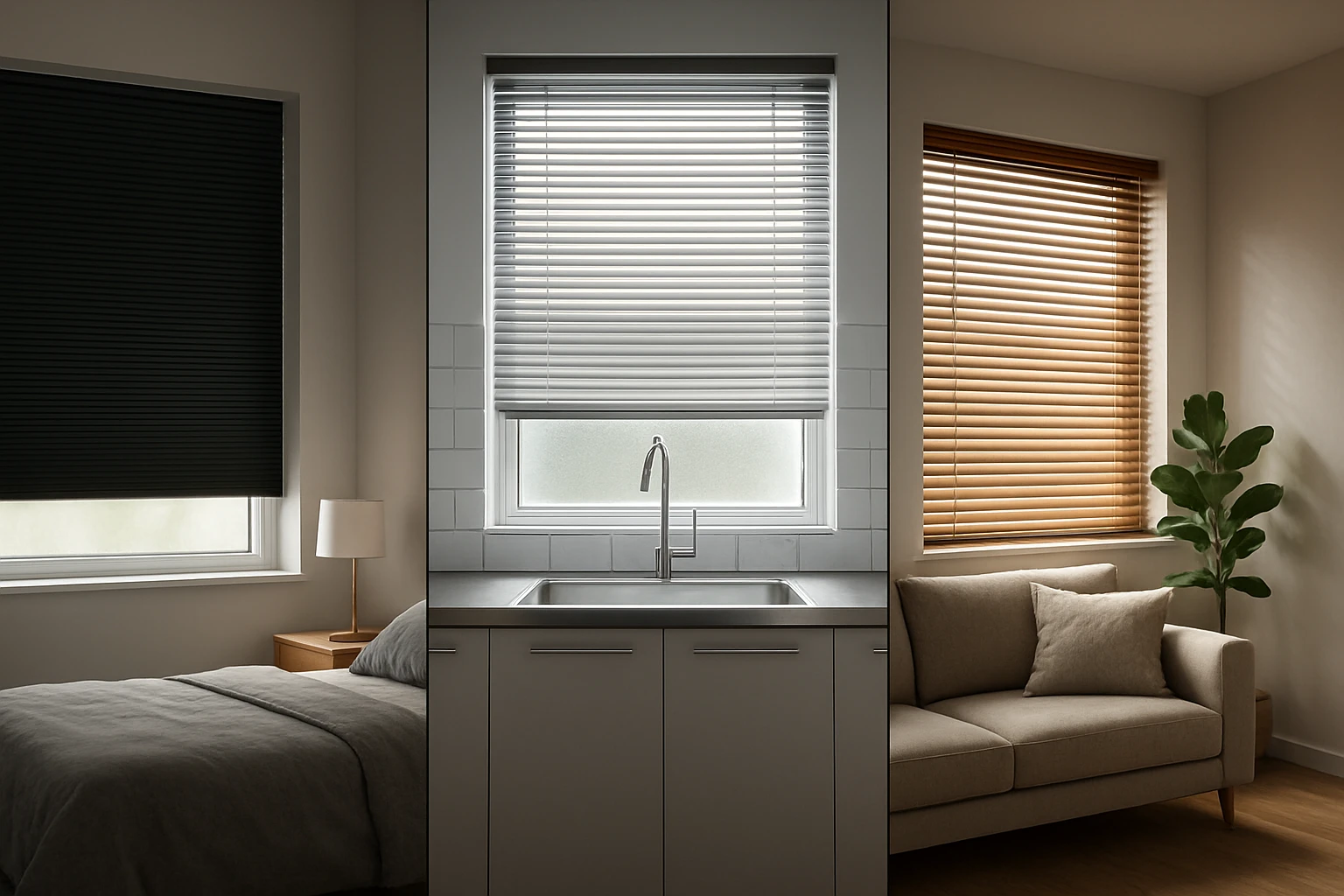
Quick Room Guide:
- Bedrooms: blackout or cellular for sleep comfort.
- Living Areas: wooden, venetian, or zebra for style and adjustable light.
- Kitchens and Bathrooms: aluminium or PVC for easy cleaning.
- Home Offices: venetian or roller with light diffusion for glare control.
Final Notes and Practical Steps
Start by listing the three most important needs per room: light, privacy, and insulation. Measure windows carefully and compare costs and timelines for installation. Planning around window orientation and daily sun patterns gives the best long-term satisfaction.

If you want model-specific advice, the types and pages linked above give clear product examples and fitting options to match your needs.
Frequently Asked Questions
Will Blinds Really Cut My Energy Bills?
Yes. Properly chosen and used blinds can cut heating and cooling costs by roughly 10 to 25 percent depending on your climate, window orientation and how you use them. Insulated designs like cellular blinds and consistent daily use give the best results.
Which Blind Type Is Best for Blocking Light in a Bedroom?
Blackout roller blinds or heavy cellular blinds are the best options for a bedroom because they block most visible light and also add some insulation for comfort.
Are Motorized Blinds Worth the Extra Cost?
Motorized blinds add convenience, improved safety by eliminating cords, and the ability to automate schedules that can slightly boost energy savings. They are worth it when you want automated control or have high or hard-to-reach windows.
How Do I Clean and Maintain Blinds?
Dust blinds weekly with a soft cloth or vacuum brush, spot-clean fabric as needed, and avoid harsh chemicals on treated wood or delicate fabrics. For high-use areas, plan an annual deep clean.
Can Outdoor Blinds Work in a Hot, Sunny Climate?
Yes. Outdoor blinds designed for patios and balconies are made to resist sun and rain and provide effective shade. For details on outdoor options and weather-rated materials see the site guide on outdoor blinds.