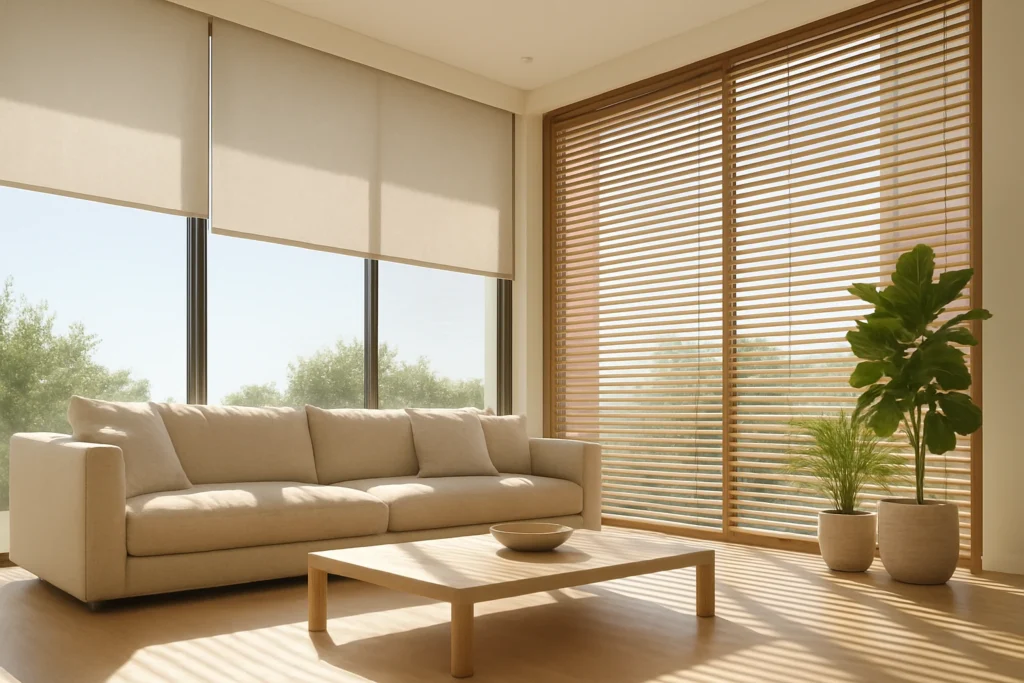
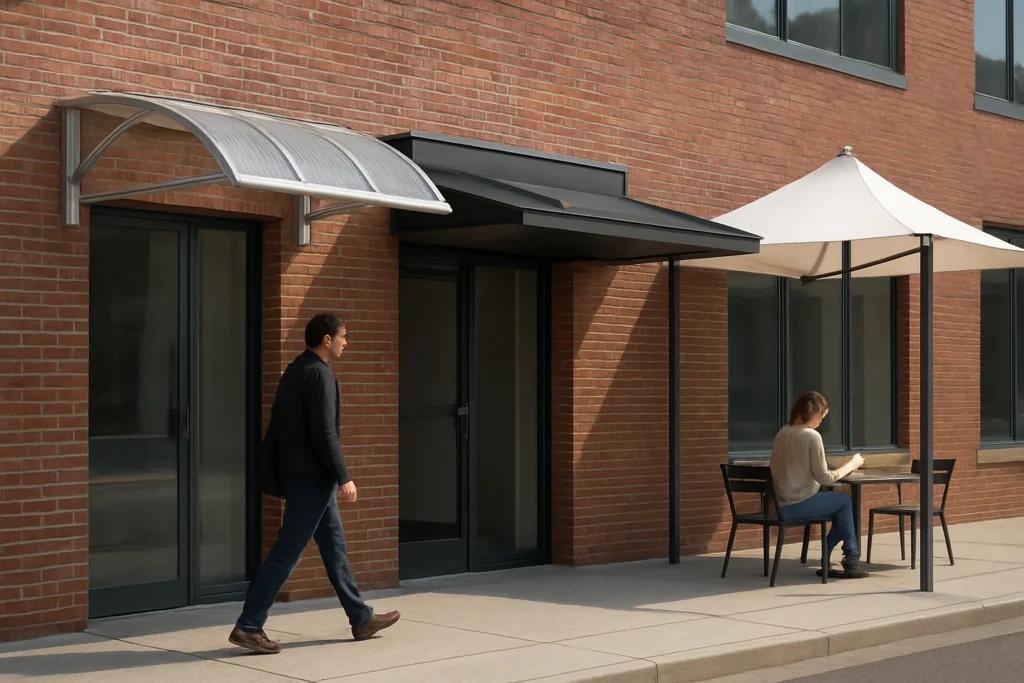
Canopy roofing comes in many forms, each made for a clear purpose: shade, light control, weather protection or style. Common types include fabric canopies, metal awnings, polycarbonate panels and retractable systems. They differ in price, life span and how much care they need. Pick a type by matching the material and shape to where it will be used and how much upkeep you want.
Key Statistics
- Typical canopy cost range: AED 500 to AED 25,000 depending on size and material.
- Lifespan by material: fabric 5-15 years, polycarbonate 10-20 years, metal 15-40 years.
- Installation time for a standard residential canopy: 1 to 3 days for fixed types, 1 to 2 days for basic retractable systems.
In this article we explain the main types of canopy roofing, the pros and cons of each material, typical prices and what works best for homes and small businesses. The team at Floorlands.ae reviews common choices and practical steps to help you pick the right canopy.
Types of Canopy Roofing
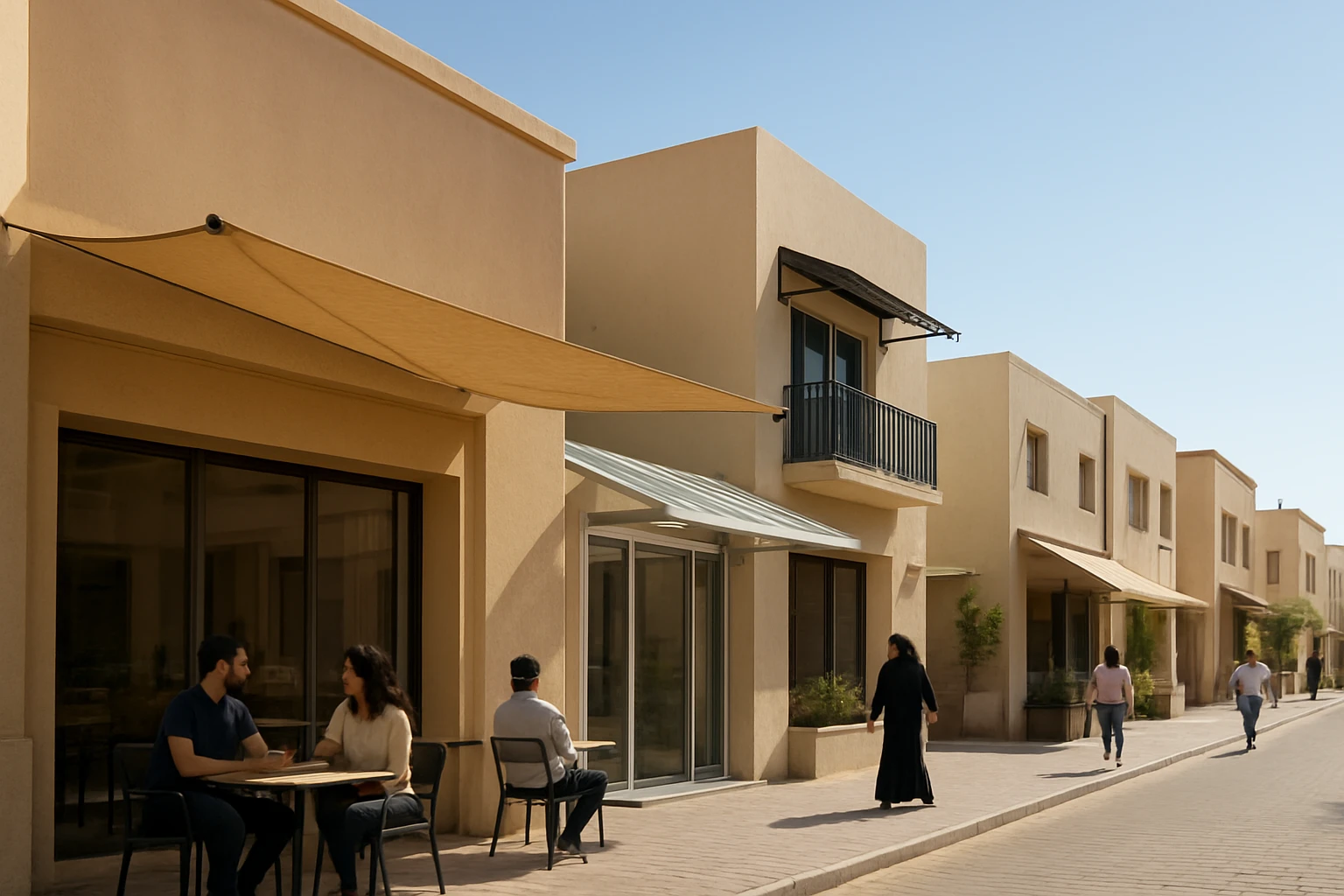
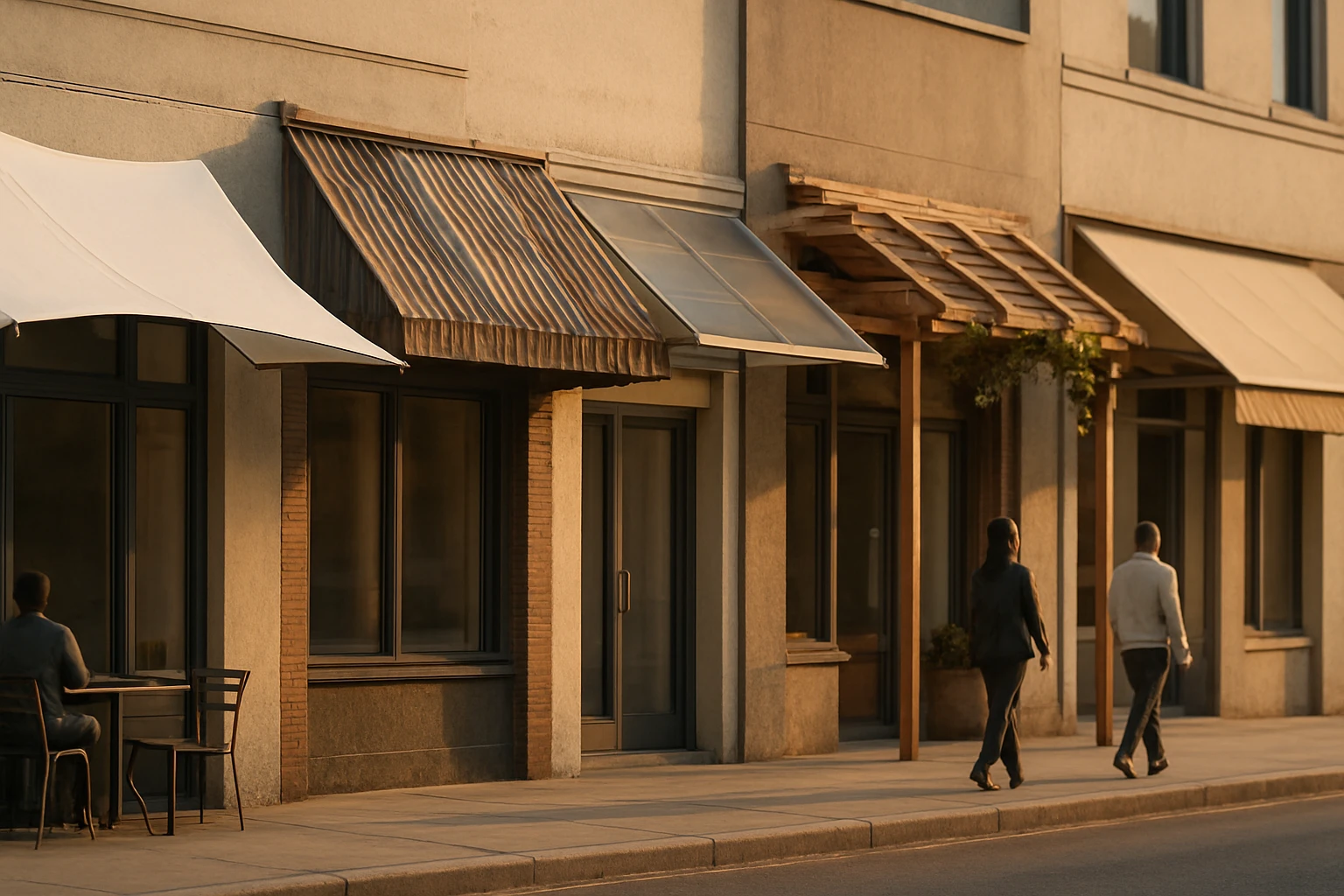
Canopy types are grouped by their frame and the material that makes up the roof. Those two things decide how the canopy looks and how it performs. Below are the most common categories, with examples and a short note on typical uses.
Fabric Canopies
Fabric canopies use heavy-duty materials such as PVC-coated polyester, acrylic canvas or vinyl. They are light, come in many colors, and give good shade in flexible shapes.
Pros:
- Affordable for small and medium sizes.
- Flexible forms allow curved or custom shapes.
- Fast to install and replace.
Cons:
- Shorter life than metal in strong sun and wind.
- Can fade or get moldy if not kept clean.
Best Uses:
- Cafe terraces, market stalls, temporary event covers and shaded patios.
Metal Canopies
Metal canopies use aluminum, steel or sometimes copper to make a durable roof. They offer strong protection from rain and sun and suit modern or industrial styles.
Pros:
- Long life and low maintenance when properly coated.
- Strong against heavy rain and wind.
- Fire resistant.
Cons:
- Higher cost than fabric for the same coverage.
- Can pass heat to the space below unless insulated.
Best Uses:
- Shop entrances, carports, long-term outdoor walkways and commercial loading areas.
Polycarbonate Canopies
Polycarbonate is a tough, light plastic sheet that can be clear, tinted or opaque. It admits daylight while blocking UV and gives a clean, modern look.
Pros:
- Lets natural light through while reducing glare.
- Durable and impact resistant.
- Easier to shape than glass and cheaper.
Cons:
- Can yellow slowly if low-grade material is used.
- Repairs are possible but may require panel replacement.
Best Uses:
- Covered walkways, conservatory roofs, porch covers and patio shelters.
Retractable Canopies
Retractable systems have frames that move a roof surface in or out, usually fabric or slatted panels. They let you control sun and shade during the day.
Pros:
- Flexible control of shade and exposure.
- Can reduce heat in adjacent rooms when extended.
Cons:
- Mechanisms add cost and need periodic checks.
- Not ideal in areas with heavy snow.
Best Uses:
- Patios, terraces, restaurant outdoor seating and balconies where variable shade is wanted.
Shade Sail Canopies
Shade sails are triangular or quadrilateral fabric panels tensioned between anchor points. They are cost-effective and make a bold visual statement.
Pros:
- Low cost and fast to install.
- Dramatic modern look and good for light shading.
Cons:
- Less effective in strong wind unless well anchored.
- Not fully waterproof unless specially sealed.
Best Uses:
- Playgrounds, small courtyards, poolside shade and temporary covers.
Canopy Roofing Materials and How They Compare
Choosing a canopy starts with the material because it sets the price, durability, maintenance and look. This section compares the most common materials by key criteria.
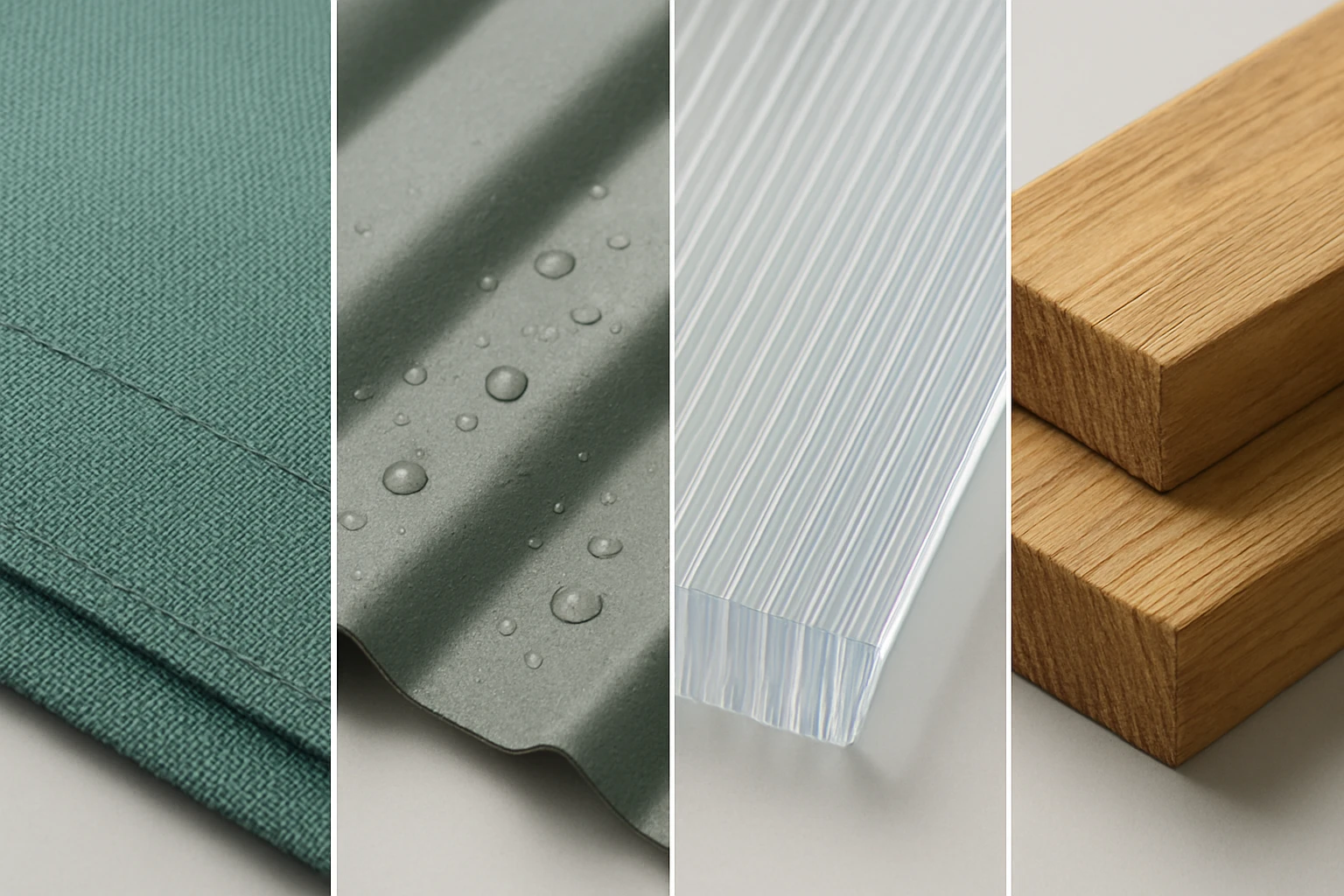
Material Comparison Table
| Material | Typical Lifespan | Water Resistance | UV Protection | Typical Cost Per Sq Meter (AED) |
|---|---|---|---|---|
| Fabric (PVC or acrylic) | 5-15 years | Good when sealed | Good with treated fabric | 40-200 |
| Aluminum or Steel | 15-40 years | Excellent when coated | Varies by finish | 150-600 |
| Polycarbonate | 10-20 years | Excellent | Built-in UV layer common | 120-400 |
| Wood (treated) | 10-25 years | Varies with finish | Low unless painted | 100-350 |
This table gives a quick sense of trade-offs. For example, fabric is cheap and quick, while metal costs more up front and lasts longer.
Where Each Canopy Type Works Best
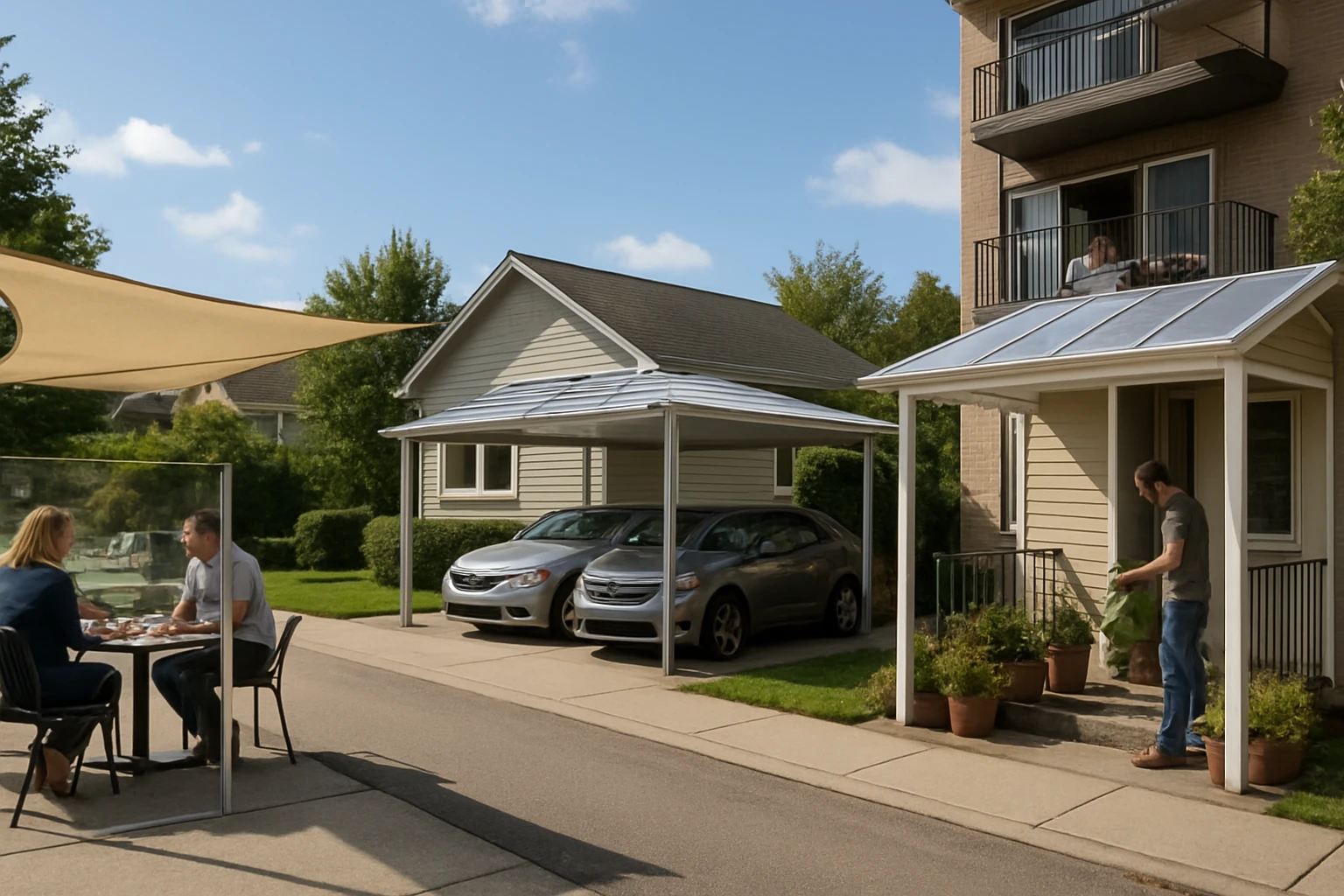
Different sites and climates suit different canopy types. Match the canopy to the use, weather and the look you want to get the best result.
Hot Sunny Climates
Use polycarbonate or light-reflective metal with ventilation to reduce heat gain. If you choose fabric, pick high UV-rated material.
Windy Locations
Choose metal or reinforced polycarbonate and avoid large unsupported fabric surfaces unless anchors and tensioning are engineered for wind.
Temporary or Event Use
Fabric and shade sails are best because they go up quickly, cost less and can be reused in different layouts.
Commercial Entrances and Long Walkways
Metal or polycarbonate is preferred for long-term durability and low maintenance, especially in public areas with heavy use.
Cost Comparison and Budgeting
Costs vary with size, material, frame complexity and extras such as lighting, heaters or side screens. Below is a realistic budget table to plan projects.
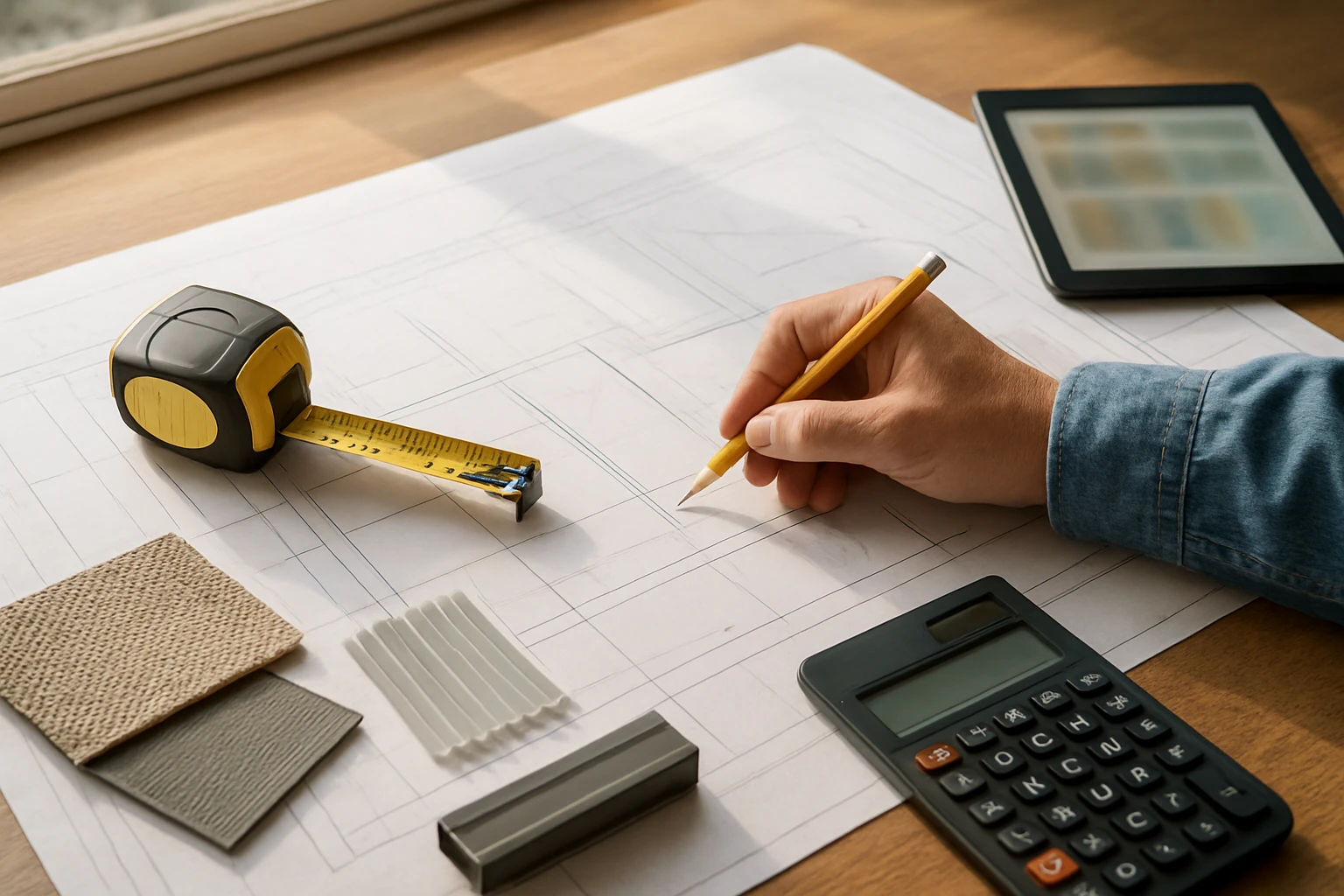
Typical Project Budget Ranges (AED)
| Project Type | Small (2-6 sqm) | Medium (6-15 sqm) | Large (15-40 sqm) |
|---|---|---|---|
| Fabric Canopy | 500-2,000 | 2,000-6,000 | 6,000-12,000 |
| Polycarbonate Canopy | 1,500-4,000 | 4,000-12,000 | 12,000-25,000 |
| Metal Canopy | 2,000-5,000 | 5,000-15,000 | 15,000-40,000 |
| Retractable System | 3,000-8,000 | 8,000-20,000 | 20,000-50,000+ |
Remember final cost rises with custom shapes, built-in lighting, remote controls for retractables, and any foundation or structural work.
Installation Overview and Timeline
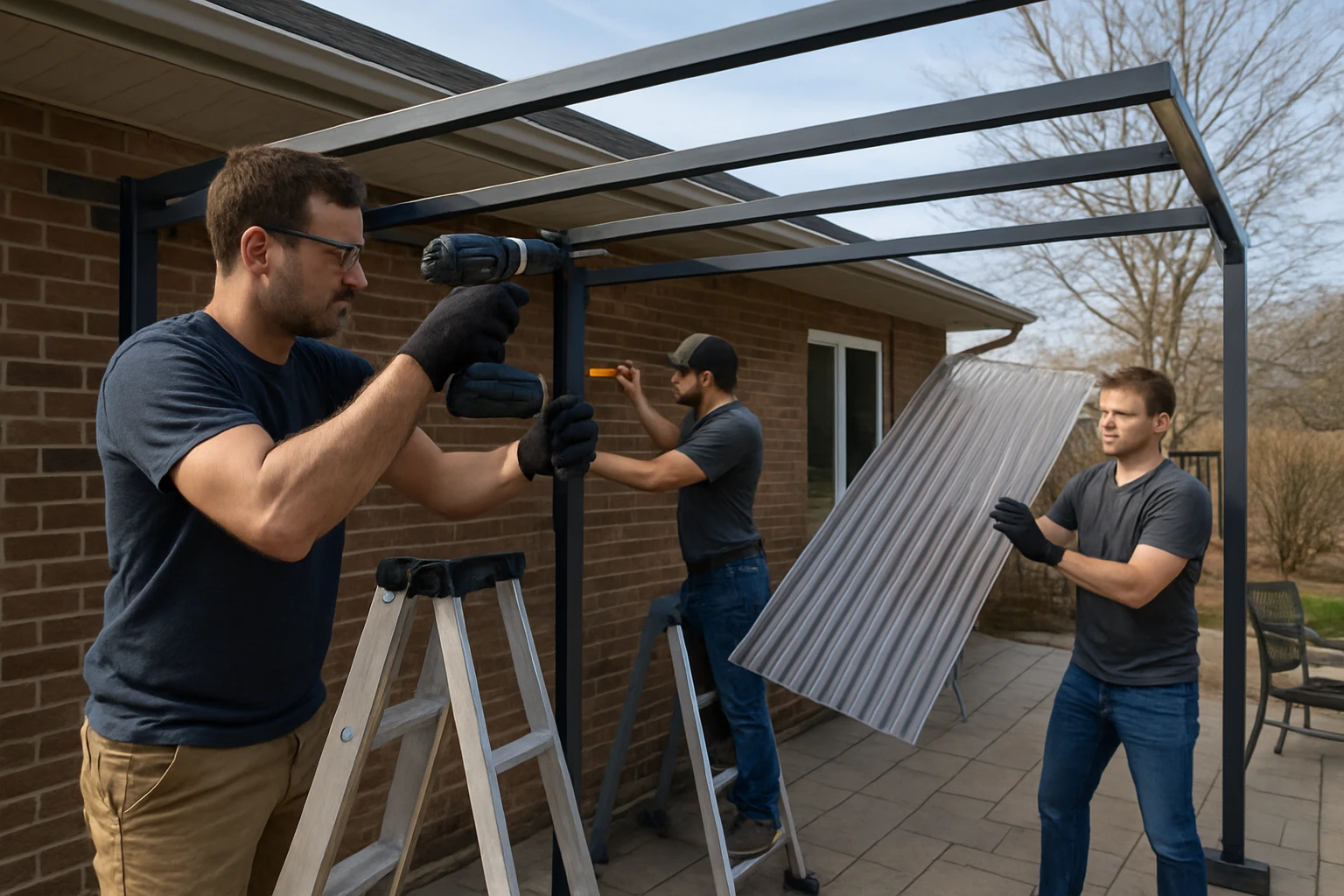
Installation steps are similar across most fixed canopies: site survey, frame fabrication, mounting and finishing. Retractable systems add motors and testing.
Typical Timeline
- Site survey and permit checks: 1-3 days.
- Fabrication of custom frame or panels: 3-10 days depending on complexity.
- On-site installation: 1-4 days for most residential setups.
- Final inspection and handover: same day as installation or next day.
Common Mistakes to Avoid:
- Skipping a proper site survey and anchor point check.
- Choosing a fabric with no UV or mold resistance for humid climates.
- Underestimating wind loads and not reinforcing anchors.
Maintenance and Lifespan
Good care extends life and keeps the canopy safe. Simple tasks done regularly make a big difference.
Routine Care Suggestions
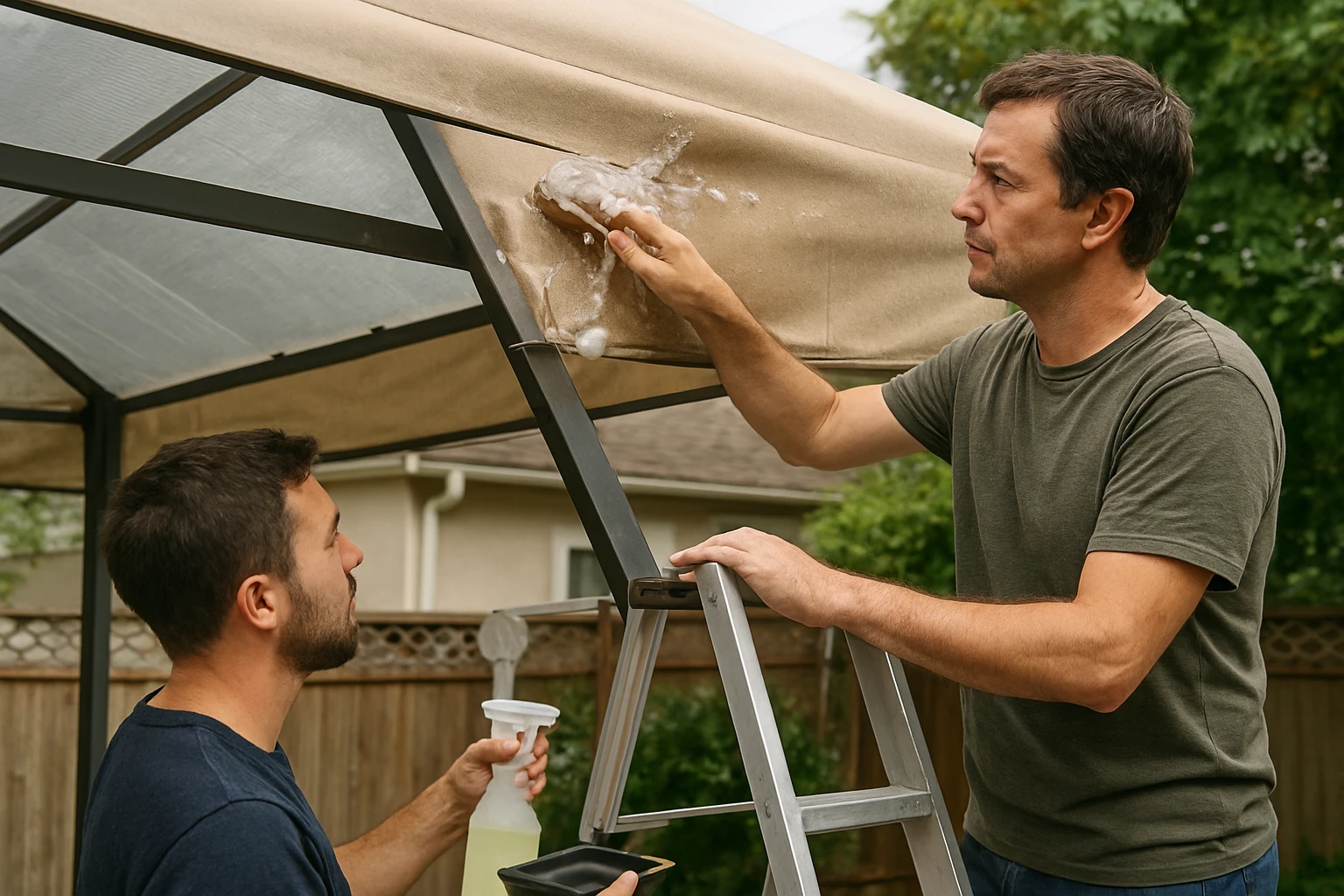
- Clean fabric surfaces twice a year or after heavy storms.
- Check metal coatings and touch up scratches to avoid corrosion.
- Inspect polycarbonate panels for cracks or yellowing and replace if needed.
- Test retractable mechanisms and lubricate moving parts yearly.
Expected Lifespan by Maintenance Level
- Minimal maintenance: reduce expected life by up to 40 percent.
- Regular maintenance: meet or exceed the typical lifespan ranges listed earlier.
Choosing the Right Canopy for Your Project
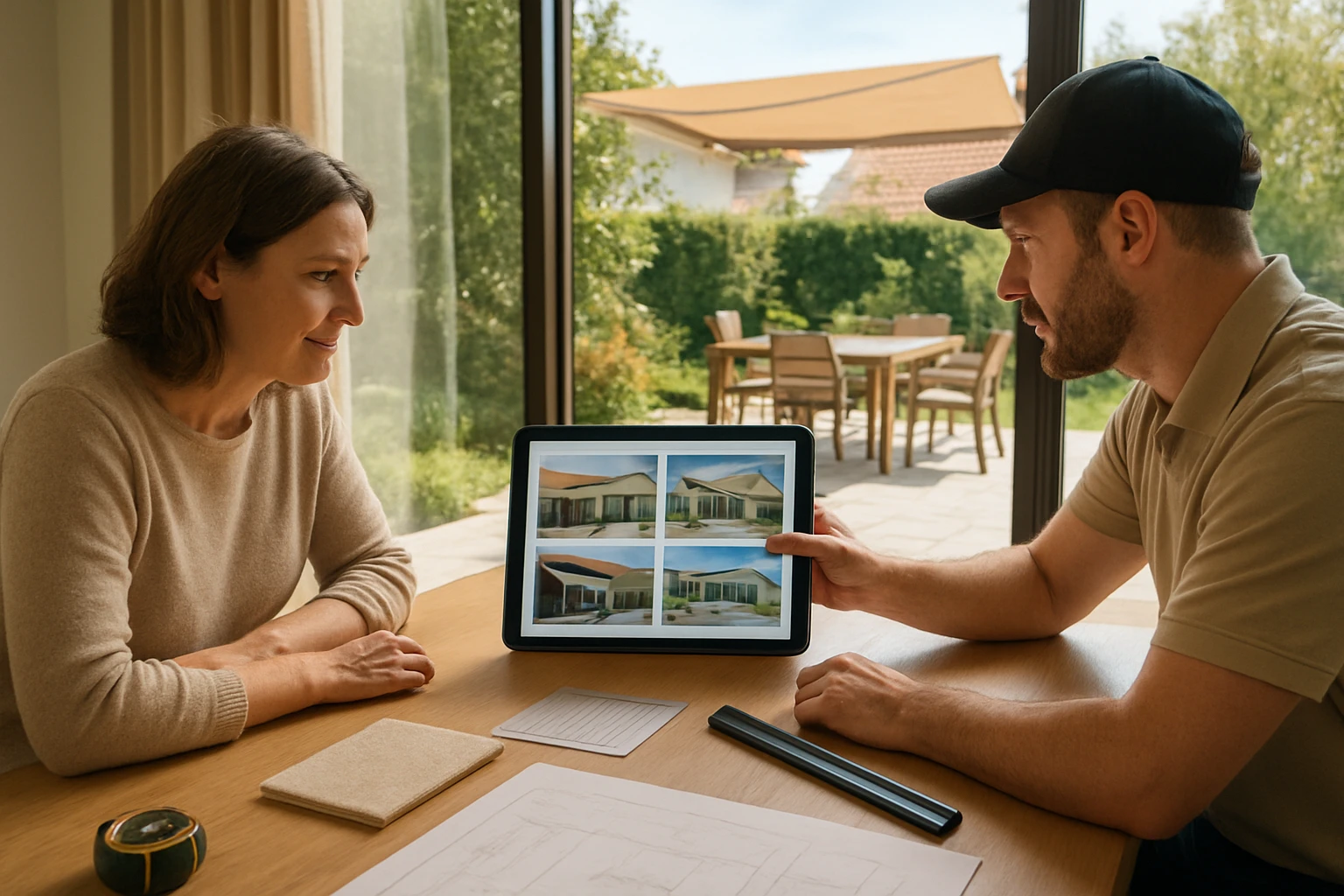
Decide by location, budget, style and how often you want to maintain the canopy. Start with a short list of needs, then remove types that do not meet basic weather and use requirements.
Decision Checklist
- Will the canopy face strong wind or sand at the site?
- Is light transmission needed, or do you want full shade?
- Are you planning a permanent cover or something temporary?
- What ongoing maintenance can you commit to?
A common mistake is choosing a low-cost fabric canopy for a windy, exposed spot without reinforced fixing. In our experience, a modest upgrade to metal or reinforced polycarbonate often pays off quickly in harsh conditions.
When to Call a Professional
Ask a professional when you need custom structural support, electrical work for lighting or heaters, or when local rules require engineered anchors. For straightforward small canopies, many installers offer fixed-price packages.
Summary and Next Steps
Pick the canopy type that fits the site, the local weather and your budget. Fabric and shade sails work well for temporary or decorative uses. Polycarbonate blends light control with protection. Metal gives long life and low fuss. Retractable systems add flexibility for changing conditions.
If you want help choosing the right product and a local installer, note your main priorities—durability, light, cost or look—and ask suppliers for references and warranty details. For related ideas on coordinating outdoor coverings with soft furnishings, see How Much Do Custom Curtains Cost in Dubai? Floor Land Guide.
Frequently Asked Questions
What Is the Most Durable Type of Canopy Roofing?
Metal canopies, especially when made from coated aluminum or galvanized steel, are usually the most durable and need less frequent replacement than fabric. Proper coating and drainage make a big difference in lifespan.
How Much Does a Small Canopy Typically Cost?
A small residential fabric canopy can start around AED 500, while polycarbonate or metal options usually begin near AED 1,500 to AED 2,000, depending on size and frame work.
Can I Install a Canopy Myself?
Simple shade sails or small fabric canopies can be a DIY project if you have basic tools and a safe anchoring plan. For metal frames, large polycarbonate panels, or retractable systems, hire a professional to ensure safety and warranty compliance.
How Often Should I Clean My Canopy?
Clean fabric canopies at least twice a year or after heavy storms. Metal and polycarbonate surfaces can be washed once a year and checked for damage to finishes or seals.
Will a Canopy Reduce My Indoor Temperature?
Yes. A canopy over a window or patio can cut direct sun on the building and lower indoor heat gain, especially when using reflective metal or light-colored materials and when there is proper ventilation.