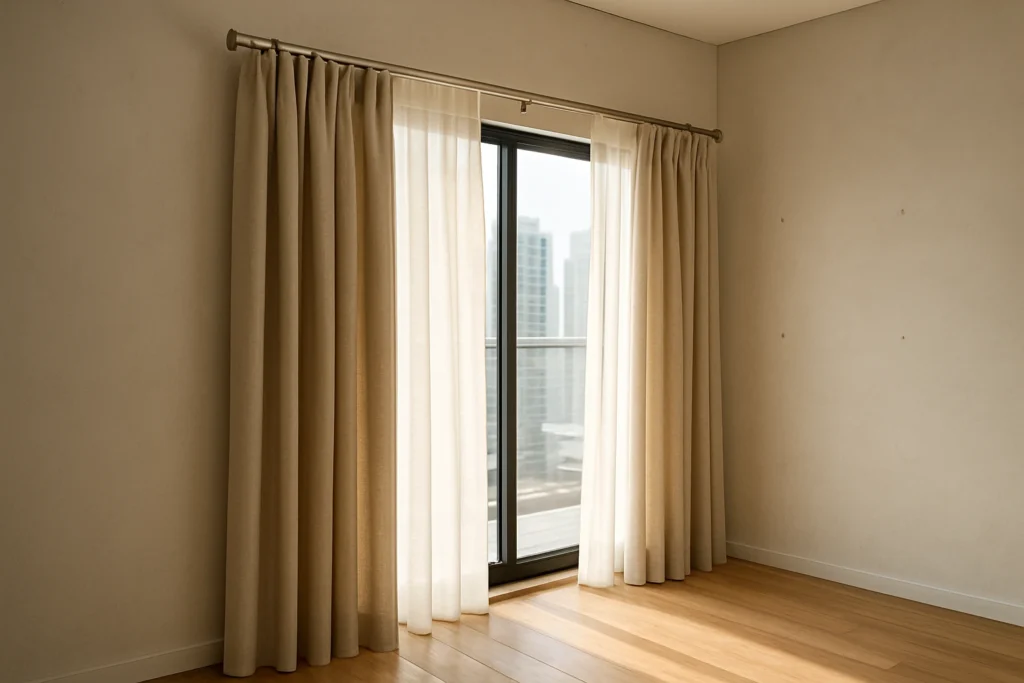
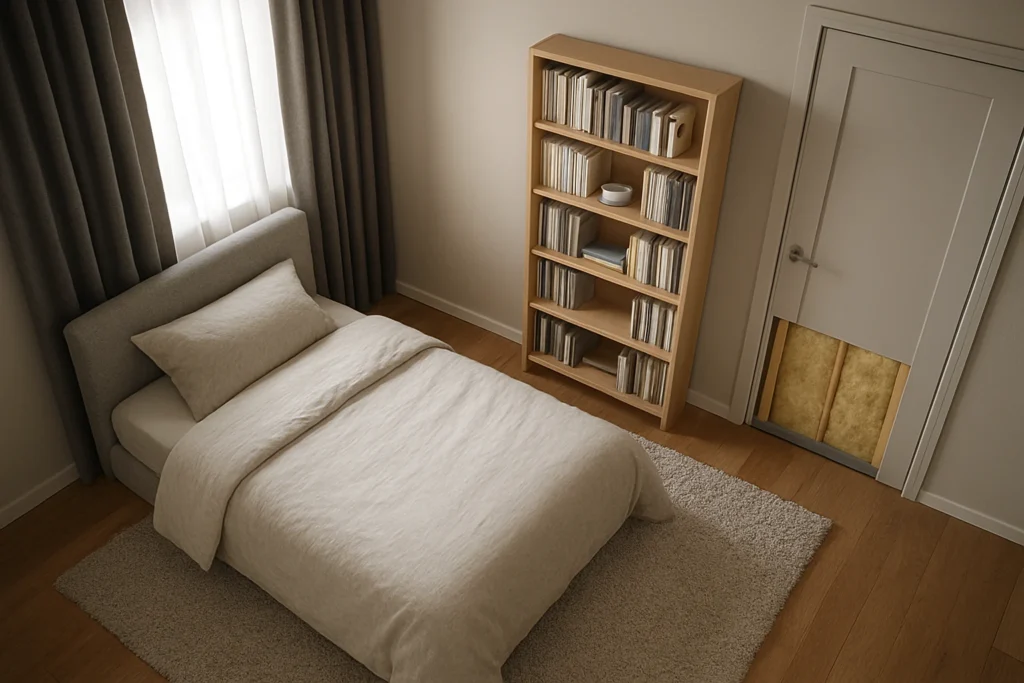
To soundproof a room, block the main paths that carry sound and add mass or soft surfaces to absorb it. Start by sealing gaps around doors and windows, then add heavier materials to walls, floors, or ceilings where noise is strongest, and use soft furnishings to reduce echo.
Key Statistics
- Typical airborne sound reduction from sealing gaps and adding soft furnishings: 3 to 8 dB.
- Adding an extra layer of drywall with damping can raise STC by 5 to 10 points in many rooms.
- Carpet and quality underlay often cut impact noise by 10 to 20 dB when installed correctly.
In this guide I explain practical steps you can do yourself and when to call a pro. The team at Floorlands.ae offers related home services and products that can help make rooms quieter.
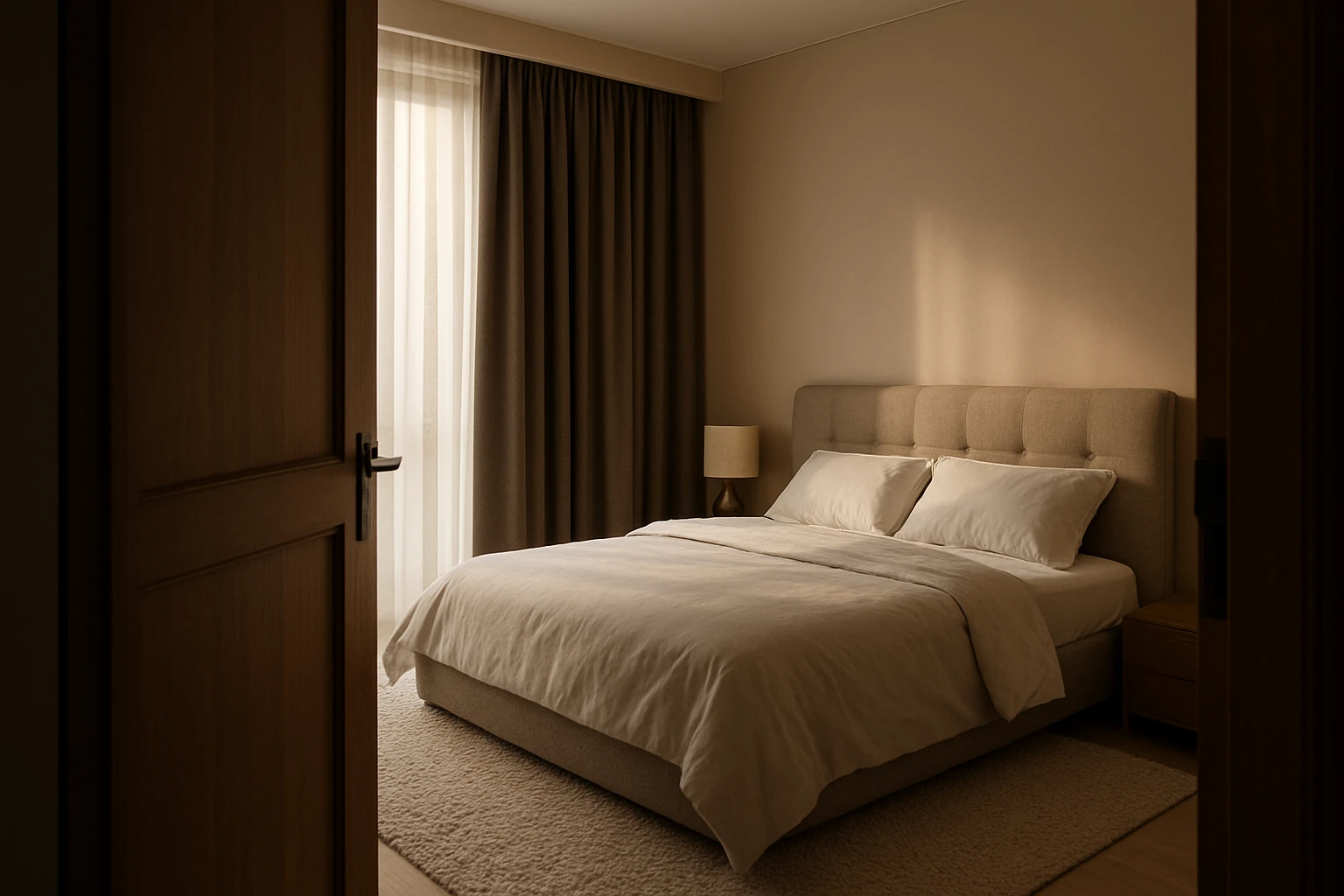
Soundproofing Basics You Should Know
Soundproofing works two ways. You stop sound from entering or leaving a room, or you reduce echo so noise feels lower inside the room. First find the main source and the easiest paths the sound takes.
How Sound Moves in a Room
Sound travels through air and through building materials. Airborne noise is voices, music, or traffic. Impact noise is footsteps or dropped objects. Walls, floors, ceilings, doors, and windows are the main routes that let sound through.
Terms to Know
Sound Transmission Class (STC):
STC is a rating that estimates how well a partition blocks airborne sound. A higher number means better reduction for speech and music.
Impact Isolation Class (IIC):
IIC measures how well a floor system cuts impact noise like footsteps. Higher values are better.
Mass, Damping, Decoupling:
Mass means heavier materials block sound more. Damping turns vibration into heat to cut transmission. Decoupling separates layers so vibration does not pass directly between them.
How to Soundproof Walls Effectively
Walls are often the biggest path for noise. Improve a wall by adding mass, absorbing sound in the cavity, and sealing gaps around the edges.
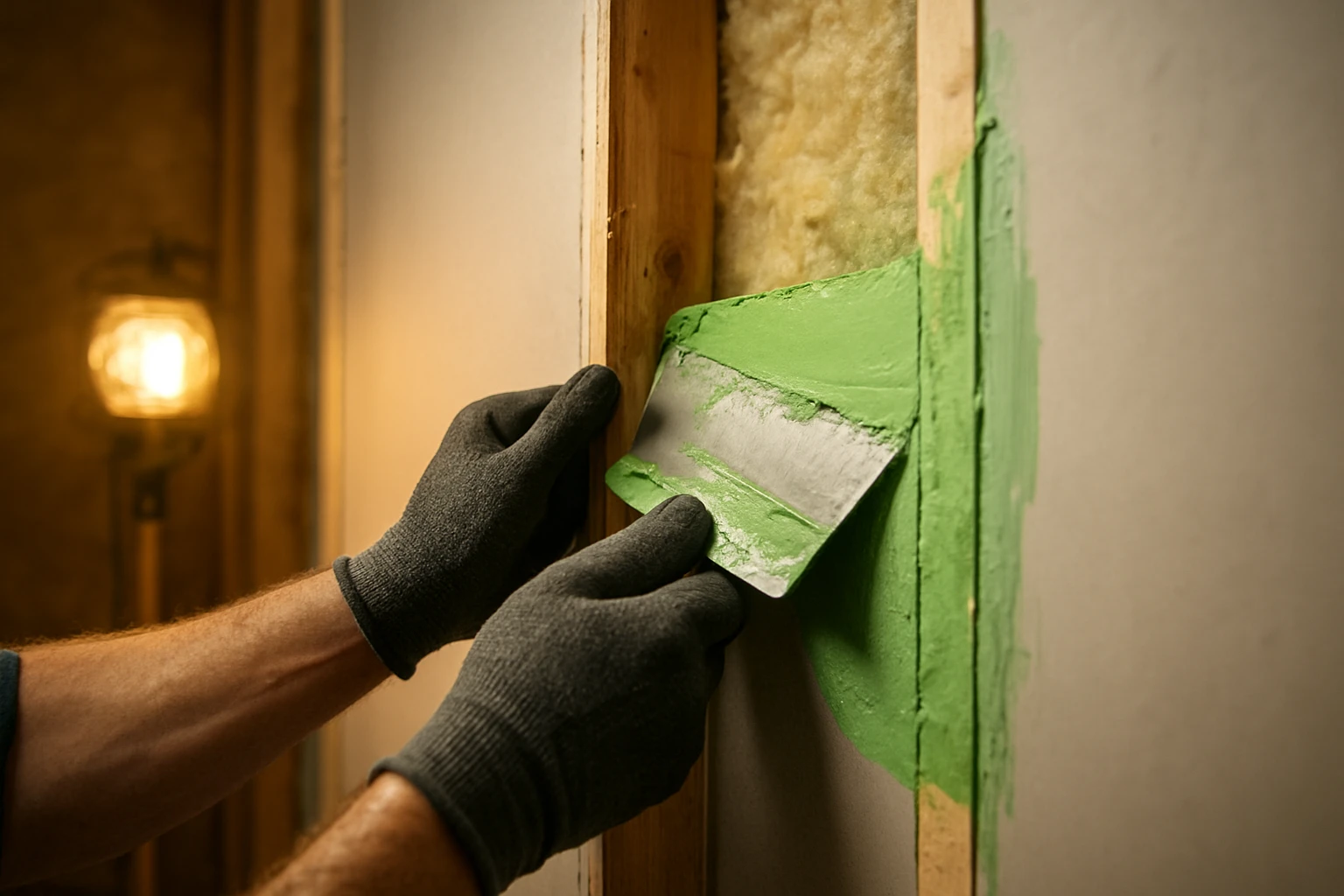
Add Mass with Extra Layers
Adding another layer of drywall or plasterboard makes it harder for sound to pass. Put a damping compound between the two layers for much better results. Many people also add a 5 mm mass loaded vinyl layer behind the new drywall for extra blocking.
Materials Checklist:
- 12.5 mm drywall or plasterboard
- Damping compound such as green glue
- Mass loaded vinyl if budget allows
Decouple the Wall When Needed
If noise still gets through, decoupling helps. Use resilient channels, hat channels, or build a second stud wall separated from the first. These create a gap that slows vibration transfer.
Tool Checklist:
- Drill and screws for channels
- Stud finder and level
- Safety glasses and ear protection
Fill Cavities and Seal Gaps
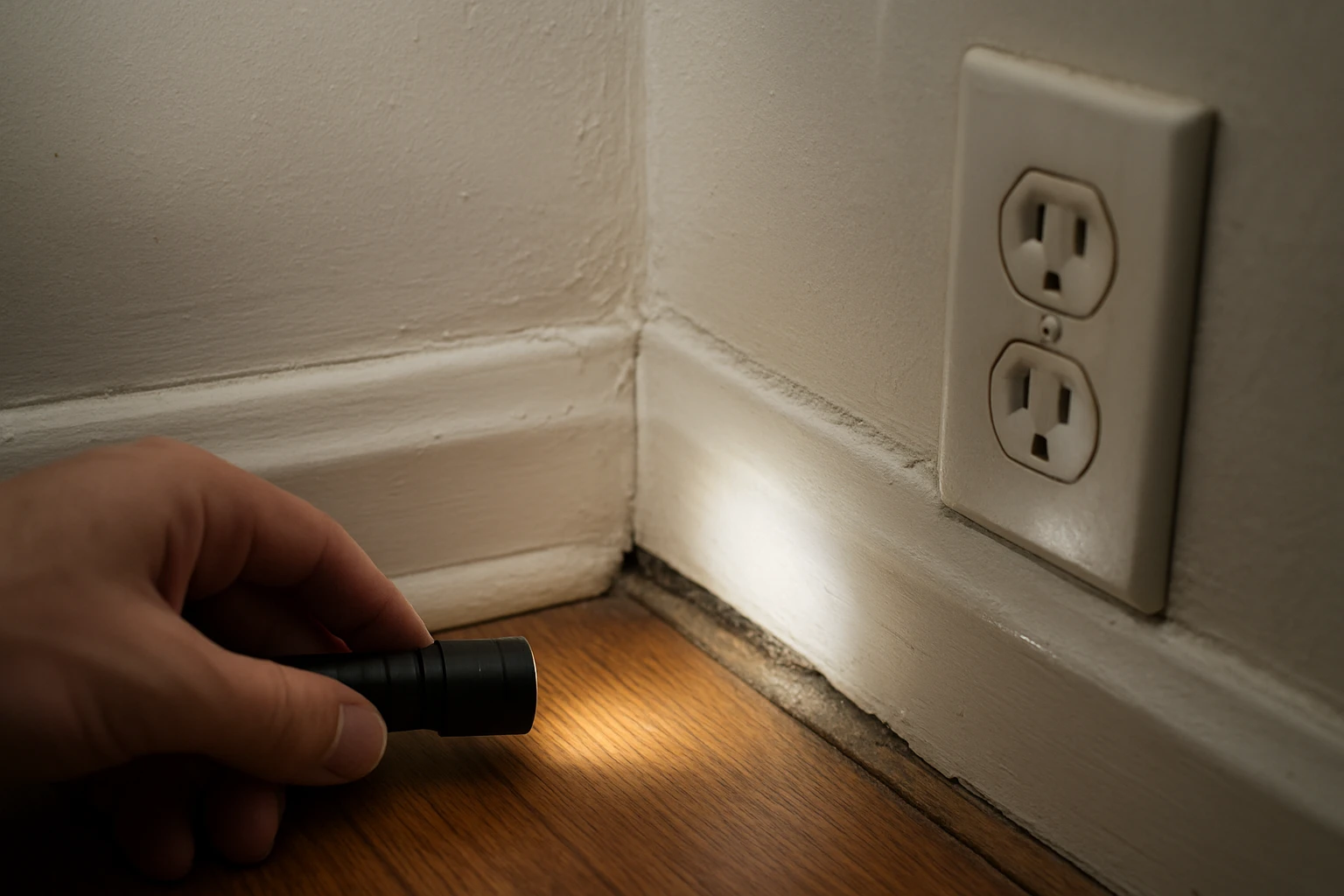
Sound sneaks through holes and joints. Insulate cavities with dense insulation like mineral wool and seal around outlets, pipes, and baseboards with acoustic sealant. A tight seal is often the cheapest first step that gives visible results.
How to Soundproof Floors and Ceilings
Floors and ceilings carry both airborne and impact noise between rooms. Treating them cuts down what you hear from above or below.
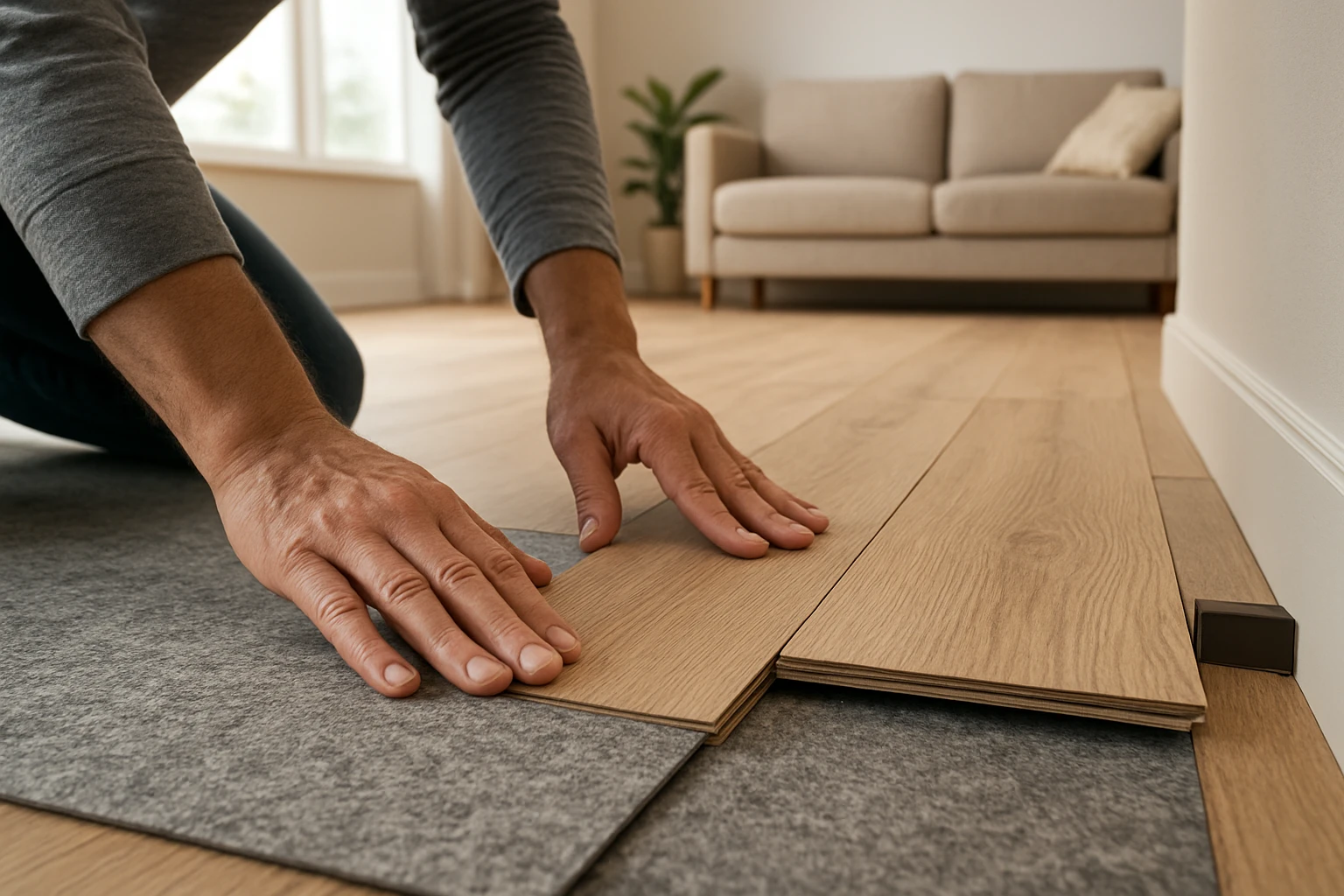
Underlayment and Carpet for Impact Reduction
A good underlay and a dense carpet can lower impact noise a lot. For rooms where sound matters, choose a heavy underlay rated for impact noise rather than thin foam.
You can also consider Living Room Carpet choices that combine comfort and sound reduction.
Floating Floors and Resilient Channels
A floating floor separates the top layer from the subfloor. A resilient channel on the ceiling can cut vibration transfer between joists. These solutions are more involved but effective when impact noise is the main issue.
Add Rugs and Soft Furniture
Soft surfaces soak up sound and reduce echo. Large rugs, upholstered furniture, and wall hangings make the room feel quieter even without heavy construction.
How to Soundproof Doors and Windows
Doors and windows are weak spots. A solid wall will fail if the door or window leaks sound.
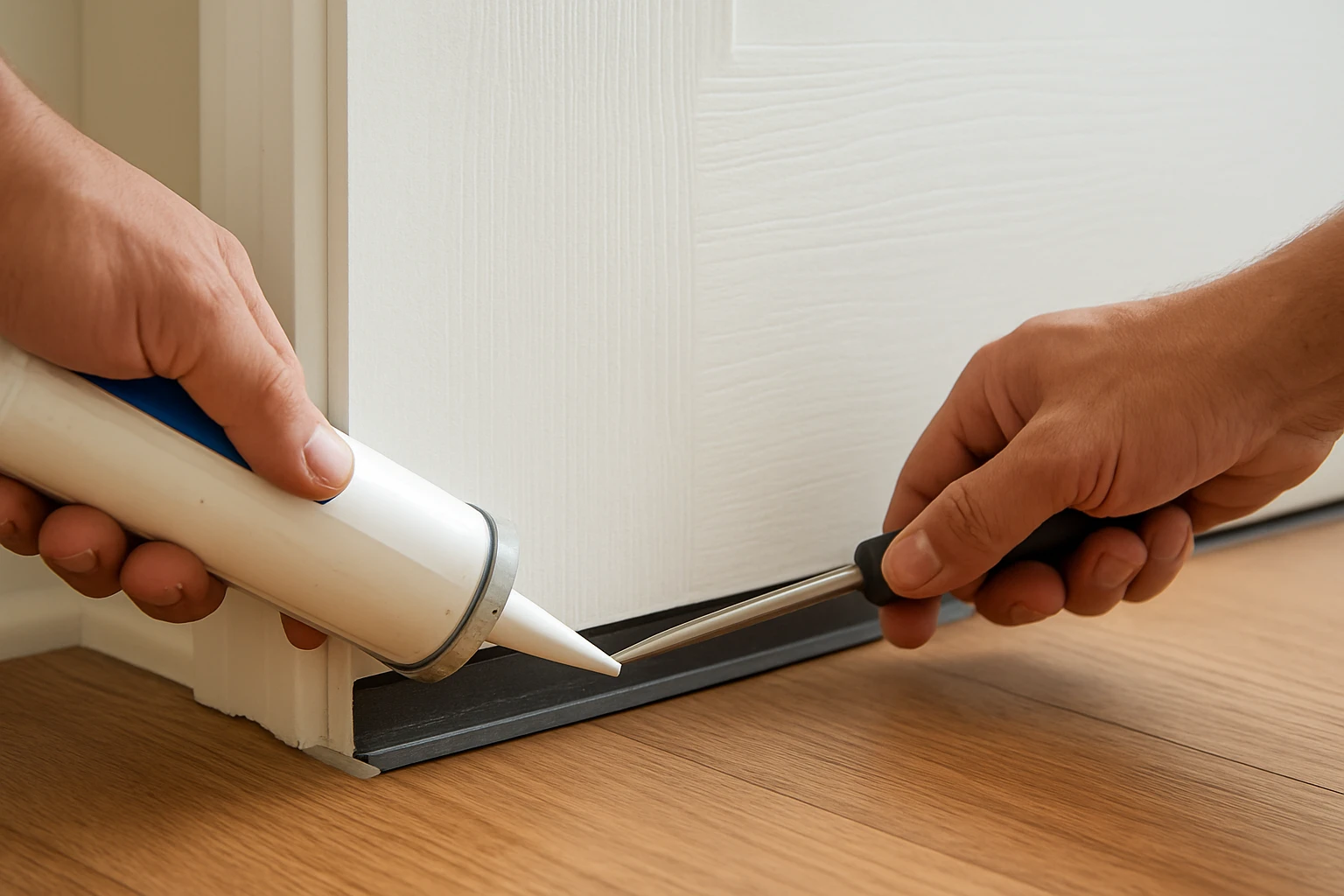
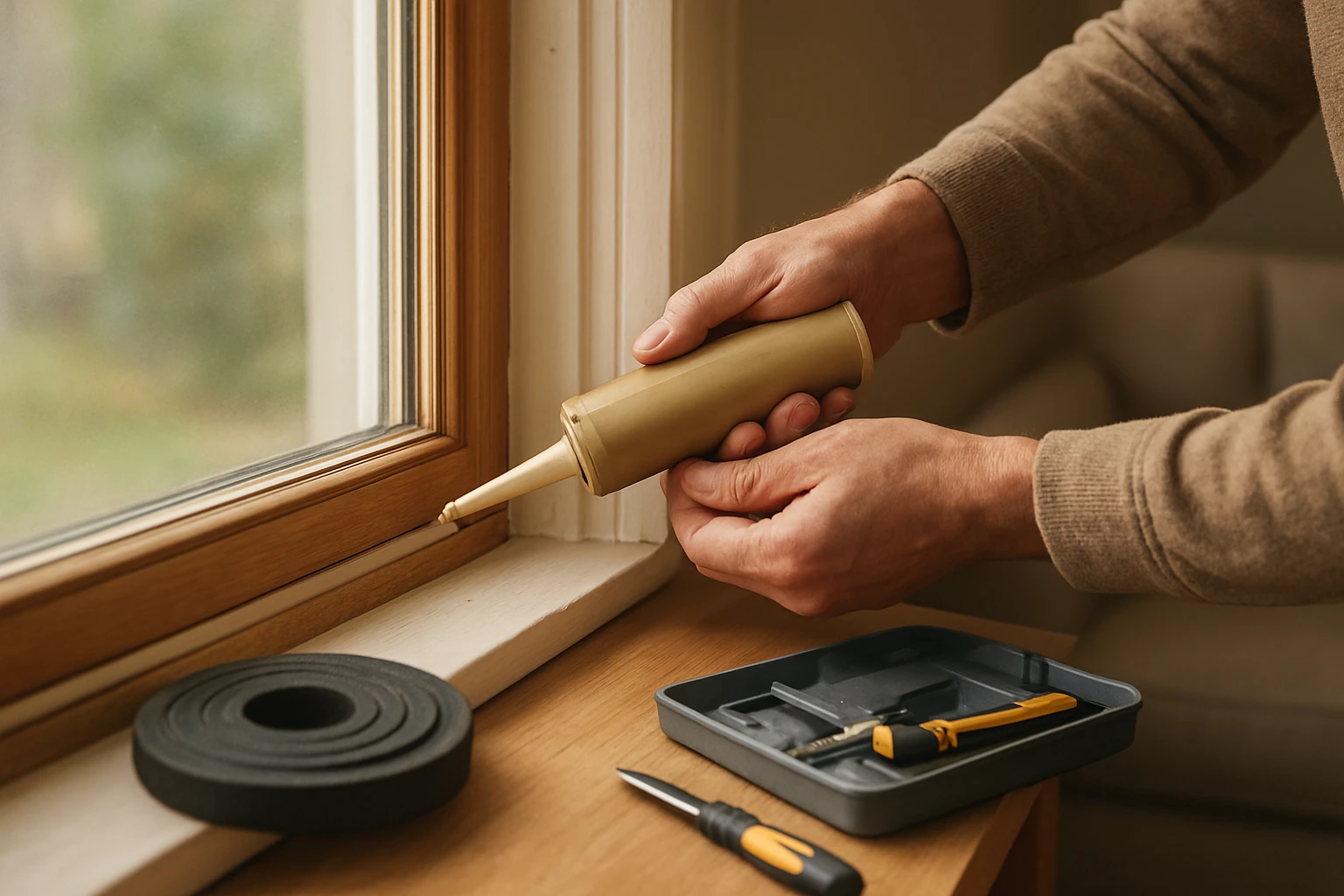
Seal Gaps Around Frames
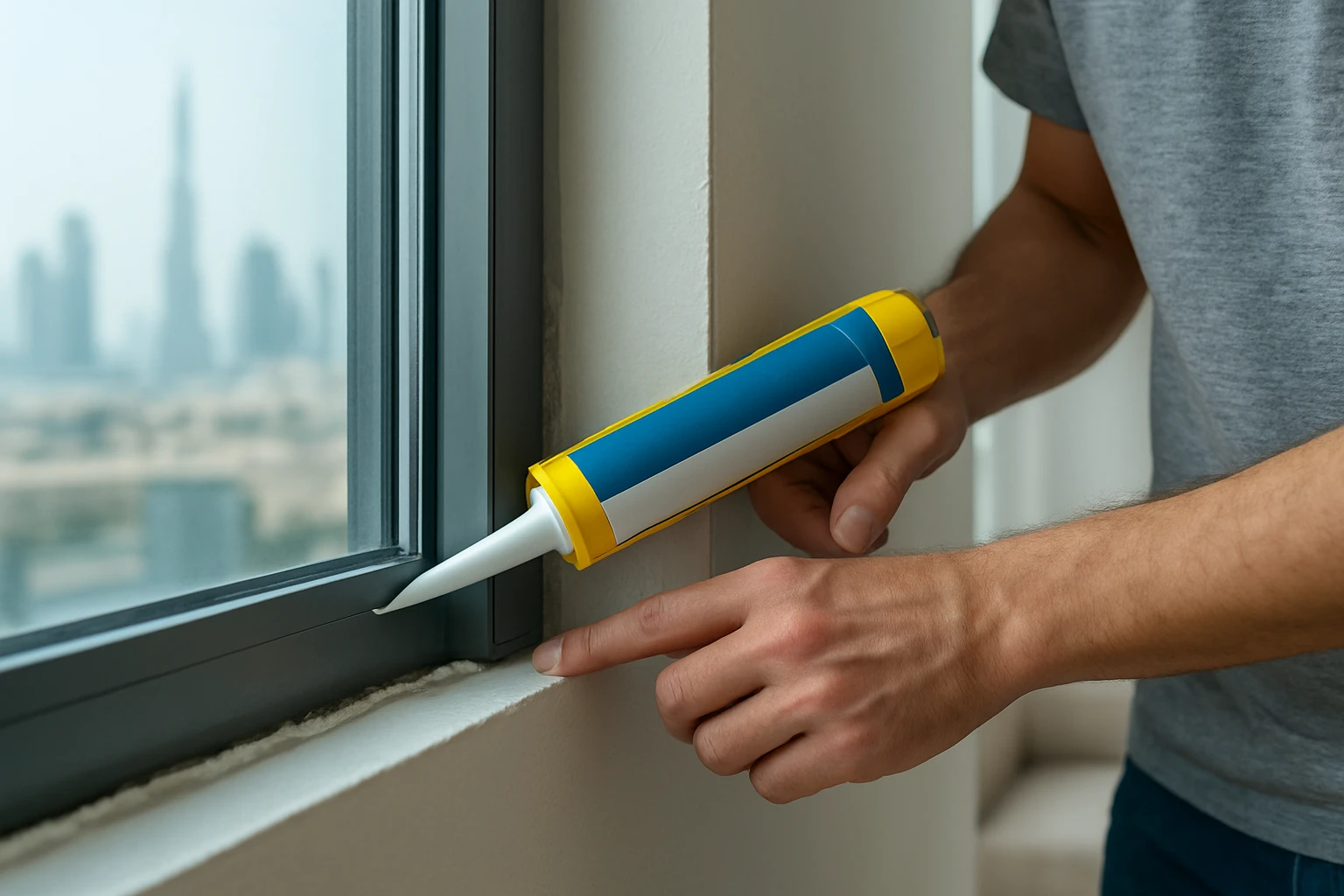
Use silicone or acoustic sealant around window and door frames, and add weatherstripping along moving joints. Even small gaps can cut performance by many dB.
Upgrade to Solid Core Doors
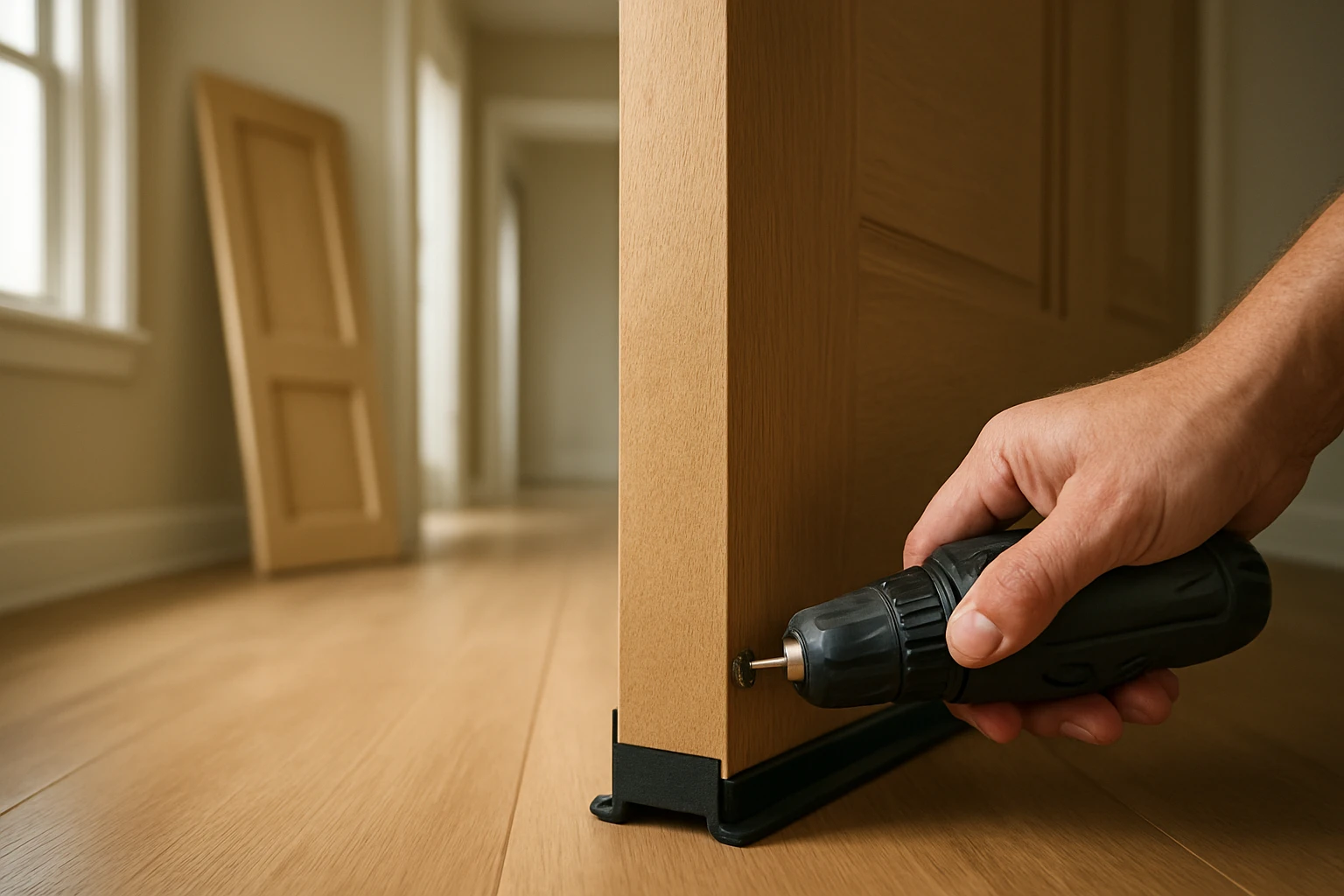
Hollow doors pass a lot of sound. Swap to a solid core door or add a layer of MDF and seal it tight to get a big improvement. Add a door sweep to seal the bottom gap.
Use Soundproof Curtains or Secondary Glazing
Heavy curtains that block light also cut noise. For a more permanent fix, add secondary glazing or double glazing. You may want to explore SoundProof Curtains for noisy windows.
If you are working on a child bedroom, Kids Room Curtains can help reduce street noise while matching a fun design.
DIY Soundproofing on a Budget
Some fixes are cheap and work well. Others cost more but give bigger gains. Start with low cost steps and move to larger projects if you still need quieter rooms.
Quick Fixes That Help
- Seal door and window gaps with weatherstripping.
- Hang a thick rug or carpet over hard floors.
- Place bookshelves against shared walls to add mass.
- Use heavy curtains to cover windows.
Moderate Projects with Better Results
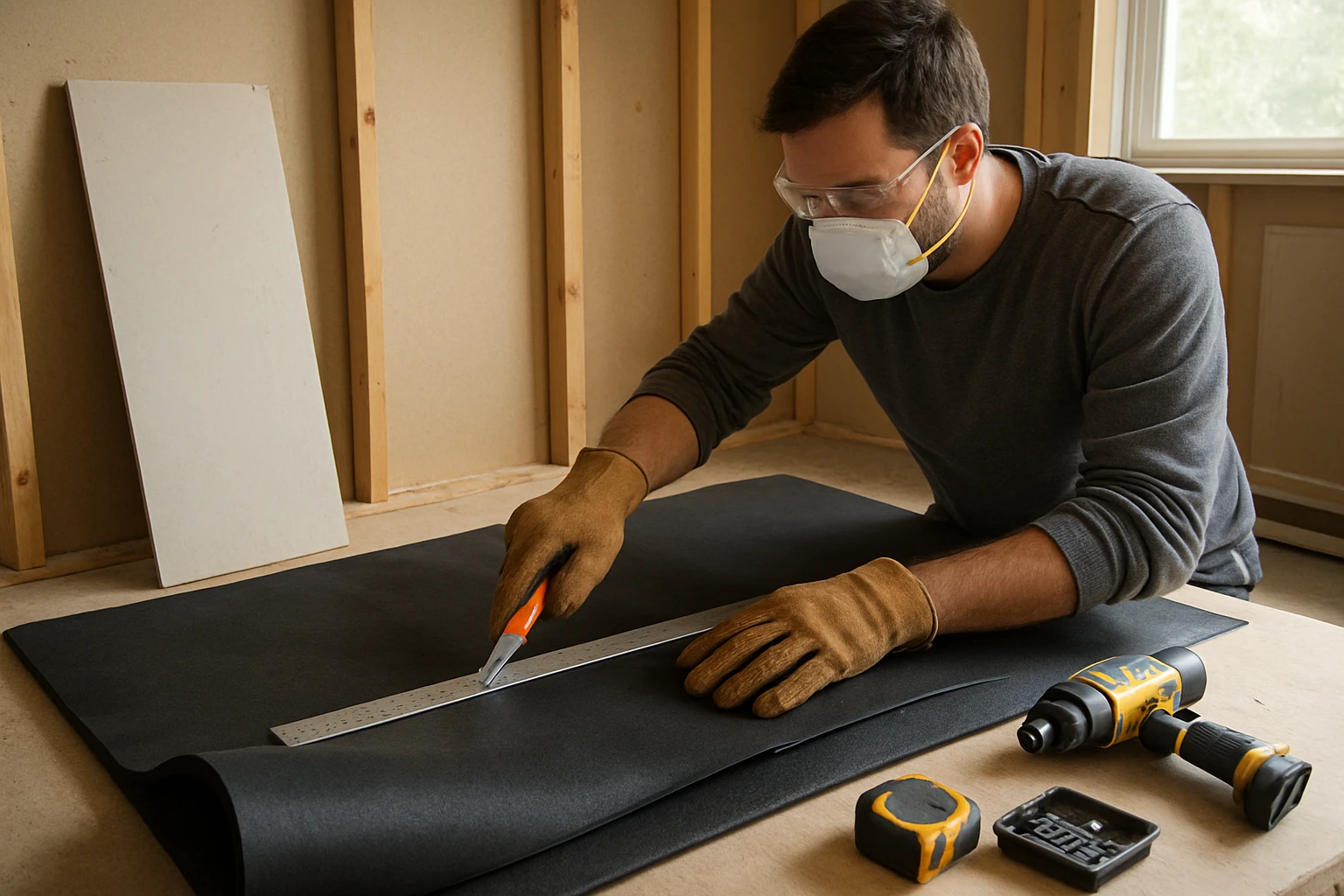
- Add a layer of drywall with damping compound.
- Fit a solid core door and seal it.
- Install acoustic underlay under a new floor.
Cost Versus Effectiveness Table
| Measure | Typical Cost Range (USD) | Typical Noise Reduction |
|---|---|---|
| Seal gaps and weatherstrip | 10 to 100 | 3 to 6 dB |
| Heavy curtains | 50 to 300 | 2 to 6 dB |
| Extra drywall with damping | 200 to 800 per wall | 5 to 10 dB |
| Mass loaded vinyl | 3 to 10 per sq m | 4 to 8 dB |
| Floating floor with underlay | 20 to 50 per sq m | 10 to 20 dB impact reduction |
Best Materials and Their Sound Ratings
Picking the right material matters. Below are common options and typical performance ranges. STC values change with the full assembly and the quality of installation.
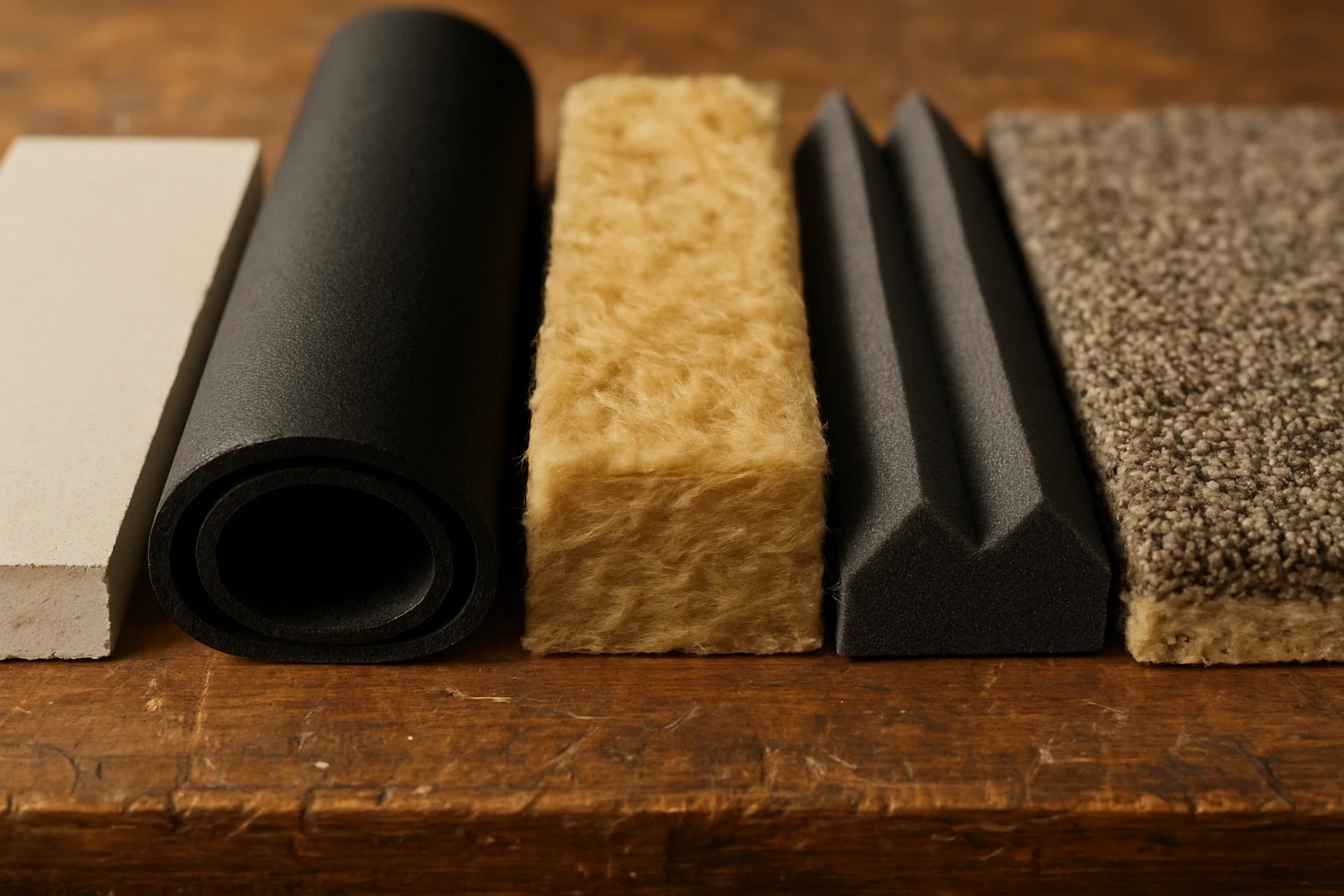
| Material | Typical STC Contribution | Notes |
|---|---|---|
| Standard drywall (12.5 mm) | 30 to 35 | Base finish, low cost |
| Double drywall with damping | 40 to 50 | Good for speech and music |
| Mineral wool insulation | 3 to 6 improvement in wall assemblies | Absorbs cavity resonance |
| Mass loaded vinyl | 4 to 8 dB | Thin and heavy, good for retrofits |
| Acoustic foam | Minimal STC change | Helps room echo but not wall transmission |
| Carpet and underlay | Improves IIC by 10 to 20 points | Best for impact noise |
Step by Step Plan for a Typical Bedroom
Work in stages to reduce noise in a bedroom. Test after each step so you can see what helped.
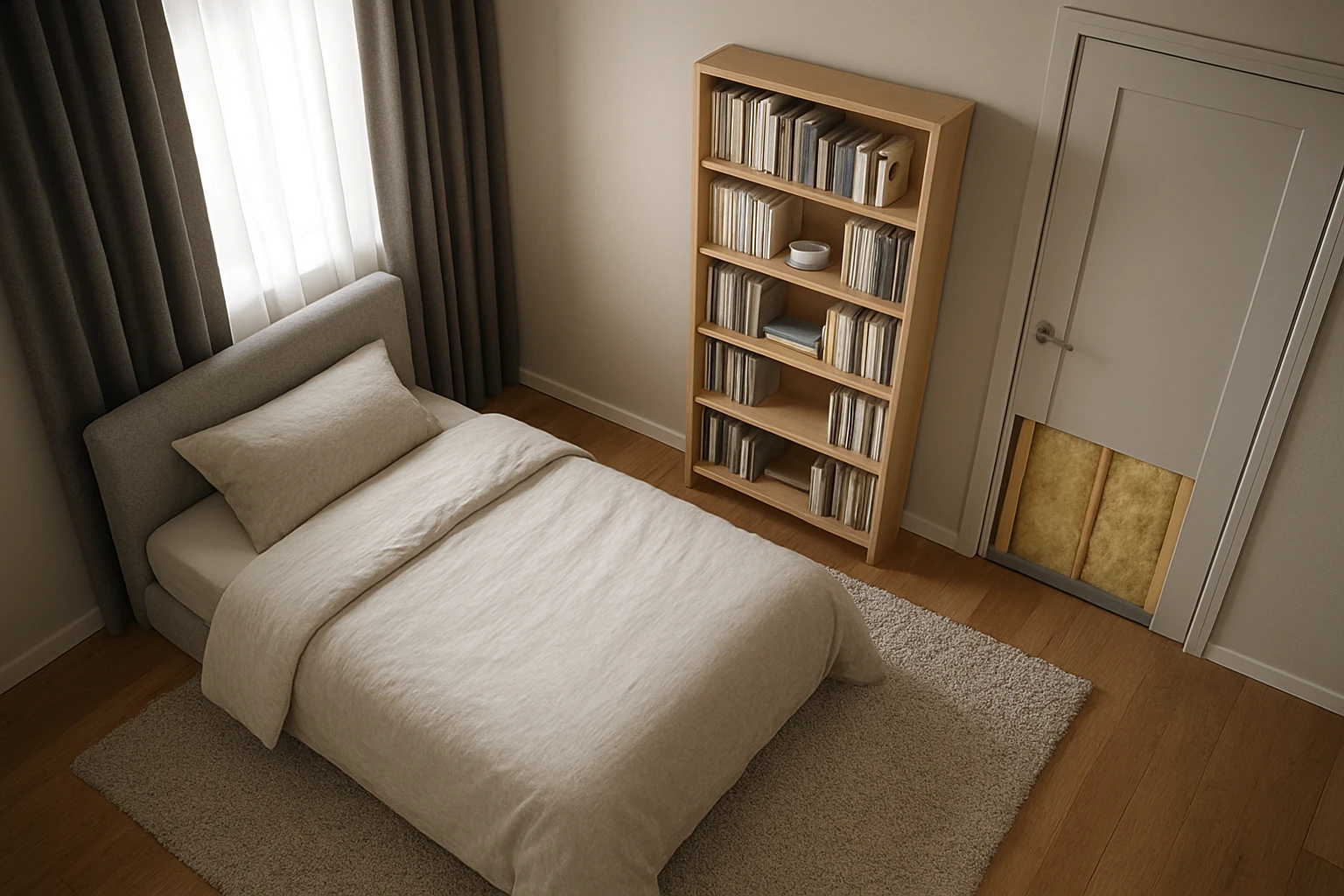
Step 1 Seal the Gaps
Start by sealing door bottoms, window perimeters, and any visible holes. This is fast, cheap, and often gives immediate relief.
Step 2 Add Soft Furnishings
Add a thick rug, heavy curtains, and some upholstered pieces. These lower echo and make the room feel quieter.
Step 3 Insulate Walls
If noise continues, open a small wall section and add mineral wool. Reseal and finish the wall after you insulate.
Tool Checklist:
- Utility knife, caulk gun, insulation knife
- Protective gloves and mask
- Basic drywall tools if you plan to add a new layer
Step 4 Add Mass or Decoupling
Choose between adding mass like extra drywall with damping or installing a decoupled wall. Adding mass is simpler. Decoupling costs more but gives bigger gains.
When to Call a Pro and What to Expect
If noise is severe or comes from structure, a professional can measure and suggest a reliable plan. Expect a contractor to check sources, recommend materials, and give a staged estimate.
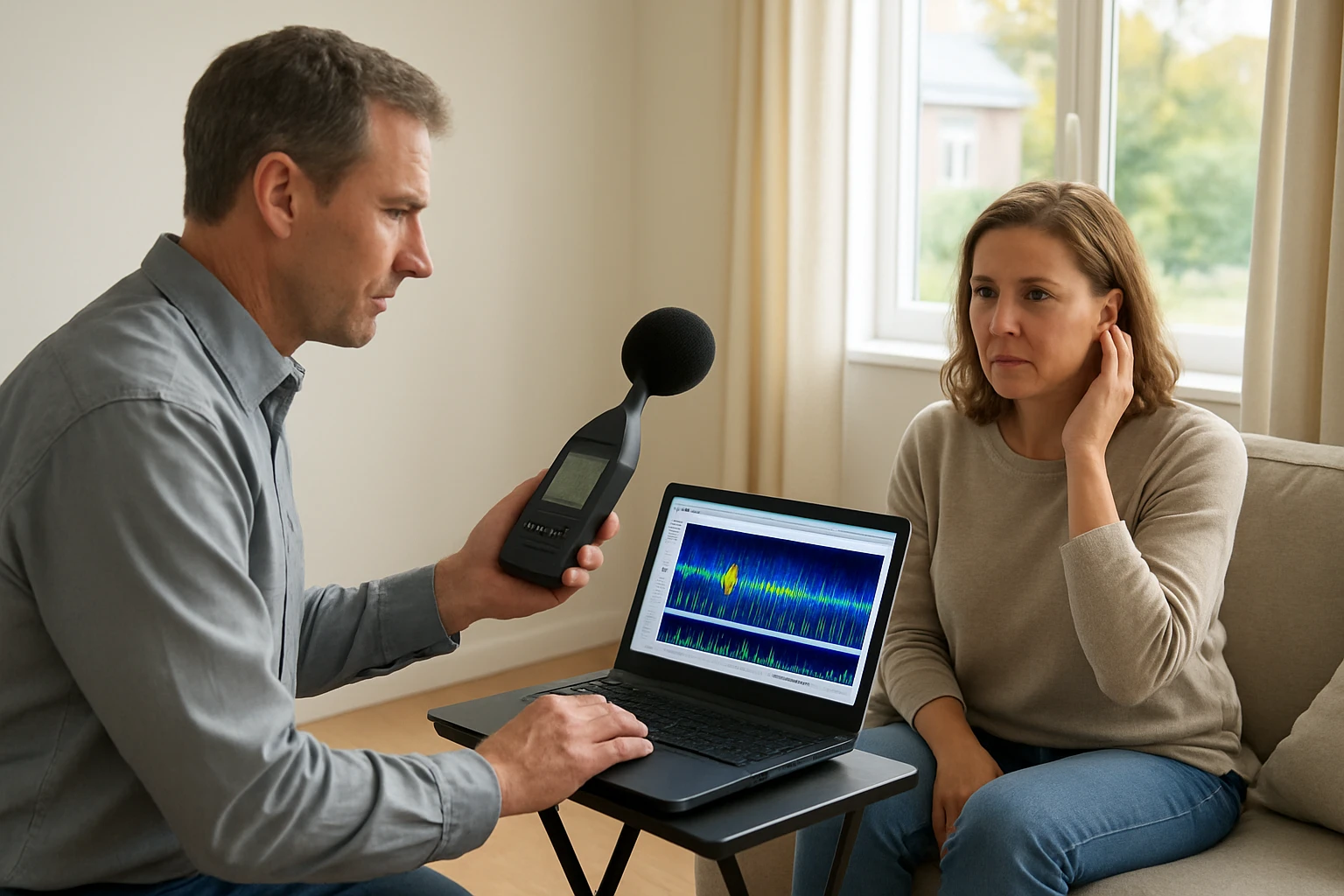
Professionals may run sound tests and propose changes such as wall rebuilds, secondary glazing, or floor isolators. Clear measurements upfront help avoid wasted work later.
Maintenance and Long Term Tips
After installation, keep seals in good shape and check for new gaps when you move furniture. Keep heavy curtains closed during noisy hours. If you change flooring or windows, plan to keep the acoustic layers you installed.
Final Steps to Reduce Noise Now
Start with sealing gaps and adding soft furnishings, then test the results. If you need larger gains, add mass or hire a pro for decoupling or glazing work. For flooring and style options that help both look and sound, see Best Flooring Options to Choose in Dubai: Materials, Costs and Tips and Best Flooring Ideas for Modern Homes with Practical Style. If cost matters, this post on How Much Do Flooring Cost in Dubai: Prices by Material and Installation gives a useful breakdown.
Working in stages saves money and shows which steps helped most. Keep realistic goals and plan to combine treatments for the best result.
Frequently Asked Questions
Will Thick Curtains Fully Soundproof a Room?
Thick curtains help reduce echo and cut some noise from windows, but they rarely fully soundproof a room. Curtains are best used with other measures like sealing gaps, adding mass to walls, or improving windows.
How Much Does Adding an Extra Drywall Layer Reduce Noise?
A new drywall layer with a damping compound typically improves a wall by 5 to 10 STC points, which can make speech and moderate noise much less clear in the next room.
Can I Install Soundproofing Myself or Do I Need a Pro?
Many useful steps like sealing gaps, adding rugs and curtains, or fitting weatherstripping are DIY friendly. For wall decoupling, secondary glazing, or large rebuilds, a professional will ensure correct design and better results.
What Is the Cheapest Way to Reduce Noise in a Bedroom?
Sealing gaps around doors and windows and adding heavy rugs and curtains are the cheapest effective measures. They are low cost and often reduce perceived noise quickly.
Does Carpet Reduce Impact Noise Between Floors?
Yes. A dense carpet with a quality underlay can lower impact noise by 10 to 20 IIC points, making footsteps and dropped items much less audible below.